
Medical Disclaimer: This article is educational and not medical advice. You cannot reliably tell high from low stomach acid by symptoms alone, and guessing wrong can be harmful. Do not self-treat with acid supplements, and never stop a prescribed acid-reducing medication, without your doctor. This information is meant to complement, not replace, professional care.
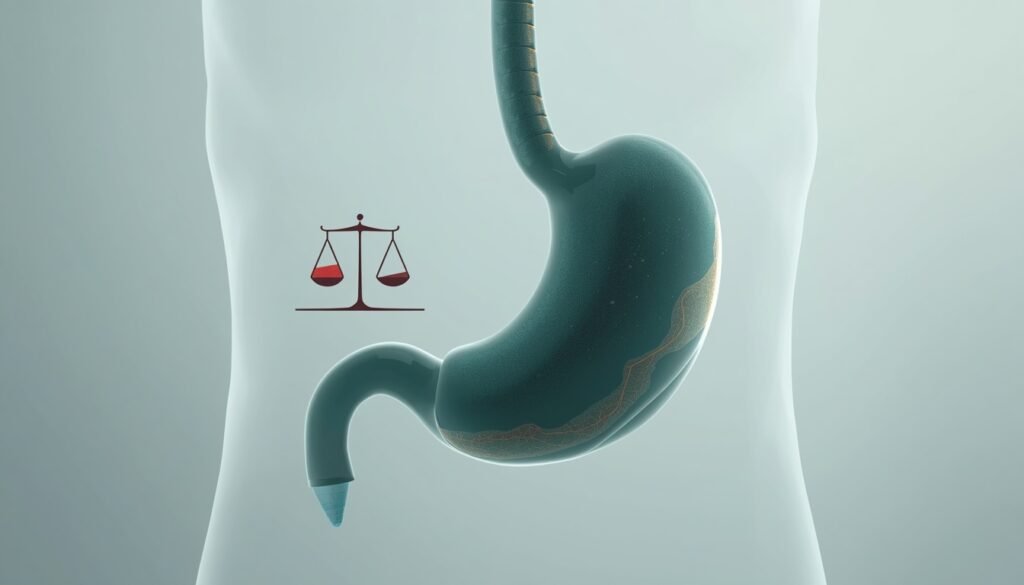
Let me tell you about Tom, who was certain he had “acid stomach.” He’d popped antacids for years for his bloating and reflux—yet nothing fully worked. His wife, meanwhile, had nearly identical symptoms but turned out to have the opposite problem: too little acid. Same complaints, opposite causes. This is the single most confusing thing in digestive health, and it trips up millions of people. So let’s settle it: how do you actually tell whether your stomach acid is too high or too low?
Short answer: You often can’t tell from symptoms alone—because both high and low stomach acid can cause nearly identical bloating, burping, and reflux. Classic burning heartburn relieved by antacids leans toward acid reflux; fullness after protein meals, reflux that ignores antacids, and nutrient deficiencies lean toward low acid. But the overlap is so large that proper testing—not guessing—is the only safe way to know, because treating the wrong one can make things worse.
The Confusing Truth: Both Can Feel the Same
Bloating, belching, indigestion, a feeling of fullness, and even reflux can all show up whether you have too much acid or too little. That’s the core problem. People assume any burning or reflux means “excess acid,” reach for antacids, and—if they actually have low acid—get temporary relief while the real issue quietly worsens. To untangle this, you first need to understand what actually causes reflux.
A Myth to Bust: GERD Isn’t Really About “Too Much” Acid
Here’s what surprises most people. Acid reflux and GERD are fundamentally a valve problem, not an acid-quantity problem. At the base of your esophagus sits the lower esophageal sphincter (LES), a muscular ring that’s supposed to keep stomach contents down. As authoritative sources explain, a weakened or relaxed LES is what causes acid reflux and GERD—acid escapes upward past the failing valve, regardless of whether the total amount of acid is high, normal, or even low.
This is why the “high acid” framing is misleading. And it explains the twist: low stomach acid can also cause reflux. When acid is insufficient, food digests poorly and lingers, fermenting and producing gas. That gas raises pressure in the stomach, which can trigger the LES to relax and let contents reflux—creating “heartburn” that has nothing to do with excess acid. Same symptom, opposite cause.
Signs That Lean Toward Acid Reflux / GERD
- Classic burning chest pain (heartburn), often sharp
- Symptoms worse when lying down or bending over, or after large/trigger-food meals
- Sour regurgitation or acid taste in the mouth
- Relief from antacids or acid-reducing medication
- Triggered by caffeine, alcohol, smoking, fatty or spicy foods; associated with obesity or hiatal hernia
Signs That Lean Toward Low Stomach Acid
- Fullness and bloating soon after meals—especially protein-heavy ones
- Burping without the classic sharp burning
- Reflux that doesn’t respond to antacids—or seems worse on them
- Undigested food in stool
- Nutrient deficiencies, especially vitamin B12 and iron
- Recurrent SIBO or a history of long-term acid-blocker use
Side-by-Side: Which One Might It Be?
| Clue | Leans Reflux / “High” | Leans Low Acid |
|---|---|---|
| Main sensation | Sharp burning heartburn | Heaviness, fullness, bloating |
| Response to antacids | Usually improves | Little help, or worse |
| Timing | Worse lying down / after triggers | Soon after protein meals |
| Nutrient status | Usually normal | Low B12, iron common |
These are tendencies, not proof. Plenty of people don’t fit neatly into either column—which is exactly why the next section matters.
Why You Can’t Safely Guess
This is the heart of it. Because the symptoms overlap so heavily, self-diagnosing is genuinely risky:
- If you actually have GERD, an ulcer, or gastritis and you take acid supplements (like betaine HCl) or apple cider vinegar assuming “low acid,” you can worsen the irritation and damage.
- If you actually have low acid and you keep suppressing it long-term, you can deepen nutrient deficiencies and raise the risk of SIBO and infections.
And the popular at-home “tests”—the baking soda burp test and the vinegar test—are not reliable or validated. Guessing wrong in either direction can hurt you, which is why this is a job for proper evaluation, not internet experiments.
🦠 Map Your Symptoms Before You Guess
A structured look at your digestive symptoms can help you and your doctor decide what’s worth testing—so you stop treating the wrong problem. Score your gut health as a starting point for a smarter conversation with your provider.
How It’s Properly Diagnosed
Rather than guessing, a doctor can actually find out. Depending on your symptoms, that may include testing for H. pylori, an upper endoscopy to look for inflammation or ulcers, esophageal pH monitoring (which measures acid reflux directly), a nutrient panel (B12, iron), and markers like gastrin. This is how you get a real answer instead of a coin flip—and it’s especially important if antacids aren’t working, because “the medicine isn’t helping” is often the clue that you’ve been treating the wrong condition. If it does turn out to be low acid, our full guide covers next steps: Low Stomach Acid: Signs, Causes & How to Fix It.
Red Flags: See a Doctor Promptly
Regardless of which you suspect, seek medical care right away for unexplained weight loss, difficulty or pain swallowing, black or bloody stools, vomiting blood, persistent vomiting, signs of anemia, or new digestive symptoms after age 60. These can indicate serious conditions—including ulcers, severe GERD complications, or cancer—that need prompt evaluation, not home remedies.
The Bottom Line
Low and high stomach acid are a notorious pair of impostors—they cause overlapping symptoms, and reflux itself is really about a leaky valve rather than acid quantity. That’s why you can’t reliably tell them apart at home, and why guessing wrong can quietly make either problem worse. Tom and his wife had opposite conditions with the same complaints; only proper testing sorted them out. If your gut is bothering you and the usual antacids aren’t the answer, don’t reach for the next supplement on a hunch—get evaluated, find out which impostor you’re actually dealing with, and treat that.
Frequently Asked Questions
How do I know if my stomach acid is high or low?
You often can’t tell from symptoms alone, because both cause overlapping bloating, burping, and reflux. Clues that lean toward reflux/high include sharp burning heartburn relieved by antacids; clues that lean toward low acid include fullness after protein meals, reflux that antacids don’t help, and nutrient deficiencies like low B12 or iron. Proper testing is the only reliable way to know.
Can low stomach acid cause acid reflux or GERD?
Yes. Reflux is caused by a weak or relaxed lower esophageal sphincter, not necessarily by excess acid. When stomach acid is too low, food digests poorly and ferments, producing gas that raises pressure and can trigger the sphincter to relax—causing reflux even without high acid levels.
Is heartburn always caused by too much stomach acid?
No. Heartburn is caused by acid refluxing into the esophagus past a weakened valve, and that can happen with high, normal, or even low acid levels. GERD is fundamentally a reflux (valve) problem, which is why the “too much acid” explanation is often misleading.
Are the baking soda or apple cider vinegar tests accurate?
No. The at-home baking soda burp test and the apple cider vinegar test are not validated or reliable ways to measure stomach acid. Vinegar can also irritate an inflamed stomach or esophagus. Don’t base treatment decisions on them.
What happens if I take acid supplements but actually have GERD?
It can make things worse. If you have GERD, an ulcer, or gastritis and take acid supplements like betaine HCl or vinegar assuming you have low acid, you can worsen the irritation and tissue damage. This is why guessing is risky and proper diagnosis matters.
How is high versus low stomach acid diagnosed?
A doctor may use H. pylori testing, upper endoscopy, esophageal pH monitoring, nutrient panels (B12, iron), and markers like gastrin. These provide an actual answer rather than a guess, especially useful when antacids aren’t relieving symptoms.
References
- Cleveland Clinic. Acid Reflux & GERD: Symptoms and Treatment (LES cause). my.clevelandclinic.org/health/diseases/17019-acid-reflux-gerd
- Merck Manual (Consumer). Gastroesophageal Reflux Disease (GERD). merckmanuals.com
- Cleveland Clinic. Hypochlorhydria (Low Stomach Acid). my.clevelandclinic.org/health/diseases/23392-hypochlorhydria
- NewYork-Presbyterian Health Matters. Understanding Acid Reflux and GERD. healthmatters.nyp.org