
By Dr. Julian Vance | Medical Expert in Longevity, Biohacking, and Metabolic Health
We are living in the golden age of metabolic pharmacology. GLP-1 receptor agonists—drugs like Ozempic, Wegovy, and Mounjaro—have completely revolutionized how we treat obesity, insulin resistance, and metabolic syndrome. From a longevity standpoint, shedding 15% to 20% of your body weight rapidly reduces visceral fat, lowers systemic inflammation, and takes a massive burden off your cardiovascular system.
But there is a hidden, biological cost to dropping weight at an accelerated, pharmacologically induced speed.
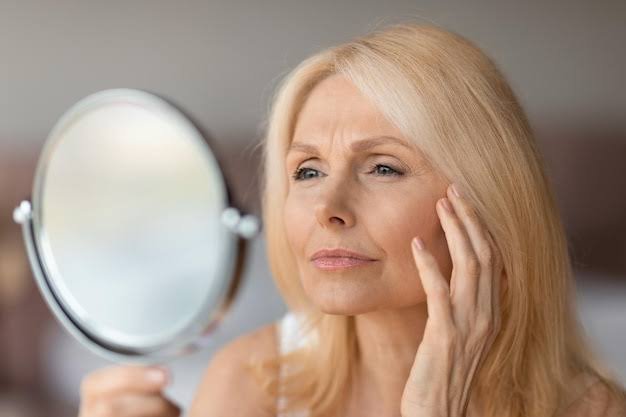
Patients are coming into my clinic thrilled with the number on the scale, but devastated by the person staring back at them in the mirror. They look gaunt. Their eyes are hollow. Their jowls are sagging, and their skin has taken on a deflated, aged texture.
The media has dubbed this phenomenon “Ozempic Face.”
This is not a myth, nor is it an allergic reaction to the medication itself. It is a highly predictable mechanical and biological failure of the skin’s structural integrity. Today, we are going to look at the anatomy of facial fat, why rapid weight loss destroys collagen, and the exact regenerative protocols you must implement if you are utilizing a GLP-1 medication.
The Scaffolding: Why Your Face Needs Fat
To understand why “Ozempic Face” happens, you must understand the architecture of youth. A youthful face is not just about having tight skin; it is about having a robust underlying scaffolding.
Underneath your skin lies a complex matrix of deep and superficial facial fat pads. These pads (specifically the malar pads in the cheeks and the buccal fat lower down) act like the stuffing in a pillow. They hold the skin outward, keeping it taut, plump, and structurally sound.
When you lose weight naturally through traditional diet and exercise, the fat loss is generally slow and systemic. Your body slowly burns fat from all over, giving your skin time to adapt.
However, GLP-1 medications induce aggressive, rapid fat loss. Because facial fat is highly metabolically active, it is often one of the first places the volume disappears. The “stuffing” is removed from the pillow in a matter of months, but the pillowcase (your skin) remains exactly the same size. Gravity takes over, pulling the unsupported skin downward, creating deep nasolabial folds, hollow temples, and pronounced jowls.
The Collagen Collapse: Why Skin Fails to “Snap Back”
If a 20-year-old loses 40 pounds quickly, their face might not sag. Why? Because they are flush with fibroblasts—the cellular engines that pump out collagen and elastin. Their skin has peak elasticity, allowing it to quickly shrink-wrap around their new, smaller facial structure.
Most patients utilizing GLP-1s, however, are in their 30s, 40s, 50s, or beyond.
By the time you reach 40, your natural collagen production has already dropped significantly. The fibroblasts are sluggish. When you strip away the fat scaffolding at an accelerated rate, the aging skin simply does not have the biological elasticity to retract.
Furthermore, rapid weight loss puts the body into a state of severe caloric deficit and metabolic stress. When the body believes it is starving, it halts the production of “non-essential” proteins. Collagen production is immediately down-regulated. You are simultaneously losing the fat that holds your skin up and halting the production of the proteins needed to tighten it.
Table: Traditional Weight Loss vs. GLP-1 Weight Loss on Skin
| Variable | Traditional Weight Loss (1-2 lbs/week) | GLP-1 Induced Loss (3-5+ lbs/week) |
| Fat Pad Depletion | Gradual; allows skin to adapt incrementally. | Rapid; structural volume disappears before skin can retract. |
| Nutrient Intake | Usually involves adequate calories to sustain cellular repair. | Extreme caloric deficit limits the building blocks for collagen. |
| Muscle Wasting | Can be mitigated with moderate protein and lifting. | High risk of muscle loss, particularly in the neck and jawline support structures. |
| Skin Elasticity | Maintains baseline elasticity. | Severe mechanical stress; skin is left hanging without structural support. |
The Protocol: How to Prevent and Treat “Ozempic Face”
If you are going to use advanced pharmacology to hack your metabolism, you must use advanced biohacking to protect your structural integrity. You cannot just take the injection and starve. You need a regenerative strategy.
1. Hyper-Dose Your Amino Acids
You cannot build collagen without amino acids. Because GLP-1s suppress your appetite so severely, most patients drastically under-eat protein. This is a biological disaster for your skin and muscle tissue. You must force-feed your body the building blocks of repair. Ensure you are hitting high protein targets daily. (For a deep dive on this exact mechanism, read our guide on Optimal Protein Requirements for Cellular Regeneration).
2. Exogenous Collagen Peptides & Hyaluronic Acid
Since your body is down-regulating natural collagen production due to the caloric deficit, you must supplement it. Consume 15 to 20 grams of high-quality, hydrolyzed bovine or marine collagen peptides daily. Pair this with oral hyaluronic acid to help the skin retain water and maintain a thicker dermis, counteracting the “hollow” look.
3. Titrate the Medication Slowly
Do not race to the maximum dose of Semaglutide or Tirzepatide if you don’t have to. Work with your physician to stay on the lowest effective dose for as long as possible. Losing 1.5 pounds a week gives your skin a fighting chance to retract; losing 4 pounds a week guarantees severe sagging.
4. Regenerative Aesthetics (Beyond Fillers)
If the volume loss has already occurred, avoid the temptation to just pump the face full of traditional hyaluronic acid dermal fillers. Overfilling a deflated face leads to a puffy, distorted, “alien” appearance. Instead, look into regenerative bio-stimulators:
- Sculptra (Poly-L-lactic acid): Injected deep into the tissue, this acts as a fertilizer for your fibroblasts, forcing your body to generate its own collagen over several months to naturally replace the lost fat volume.
- Microneedling with Exosomes or PRP: Driving stem-cell-derived exosomes or Platelet-Rich Plasma into the skin forces the tissue to thicken, tightening the “pillowcase.”

Conclusion: Protect the Envelope
GLP-1 medications are a triumph of modern metabolic science, offering unprecedented benefits for longevity and healthspan. But optimizing your biology requires looking at the whole system.
“Ozempic Face” is simply a mechanical mismatch between the speed of your fat loss and the regenerative capacity of your aging skin. By slowing down the titration, hyper-dosing your protein, and utilizing collagen-stimulating biohacks, you can shed the dangerous visceral fat without sacrificing your youthful structural integrity.
Medical Disclaimer:
The content provided on RegenStep, including all text, graphics, images, and information authored by Dr. Julian Vance, is for informational and educational purposes only. It is not intended to be a substitute for professional medical advice, diagnosis, or treatment. Always seek the advice of your physician regarding weight loss medications, dosing protocols, or cosmetic procedures.
About the Author: Dr. Julian Vance
Dr. Julian Vance is a leading voice in longevity medicine, biohacking, and cellular regeneration. With a focus on reversing metabolic aging and optimizing biological performance, Dr. Vance translates complex nutritional biochemistry into actionable protocols. He is the lead medical expert at RegenStep.
Frequently Asked Questions (FAQ)
Is ‘Ozempic Face’ a direct side effect of the medication? No, the medication itself does not directly damage the skin. ‘Ozempic Face’ is the mechanical result of rapid, extreme fat loss from the facial fat pads combined with an age-related inability of the skin to quickly retract and tighten.
Can I reverse sagging skin after stopping a GLP-1 drug? Some minor tightening may occur as your body regains a caloric baseline and hydration, but significant skin laxity usually requires intervention. Regaining a small amount of healthy weight, prioritizing high protein, and utilizing collagen-stimulating treatments like Sculptra or microneedling are often necessary to fully restore structural volume.
Why is protein so important when taking Ozempic or Wegovy? GLP-1 drugs cause a severe caloric deficit, which can lead the body to break down muscle and halt collagen production for energy. High protein intake (and specifically essential amino acids) is required to maintain muscle mass in the face and neck, and to provide the raw materials needed for skin elasticity.
Are dermal fillers a good solution for Ozempic Face? Traditional HA fillers can help with minor volume loss, but they can look unnatural and heavy if used to correct massive facial deflation. Regenerative bio-stimulators (like Sculptra or Radiesse) are generally preferred by longevity experts because they stimulate your own body to create new, structural collagen networks.