
Medical Disclaimer: This article is for educational purposes only and does not replace medical advice, diagnosis, or treatment from a licensed clinician or pharmacist. If you believe you used a recalled medication, have symptoms, are pregnant, have kidney disease, take prescription drugs, or are giving medication to a child, contact your healthcare professional or pharmacist promptly. If you have trouble breathing, facial swelling, chest pain, fainting, or signs of a severe allergic reaction, call 911.
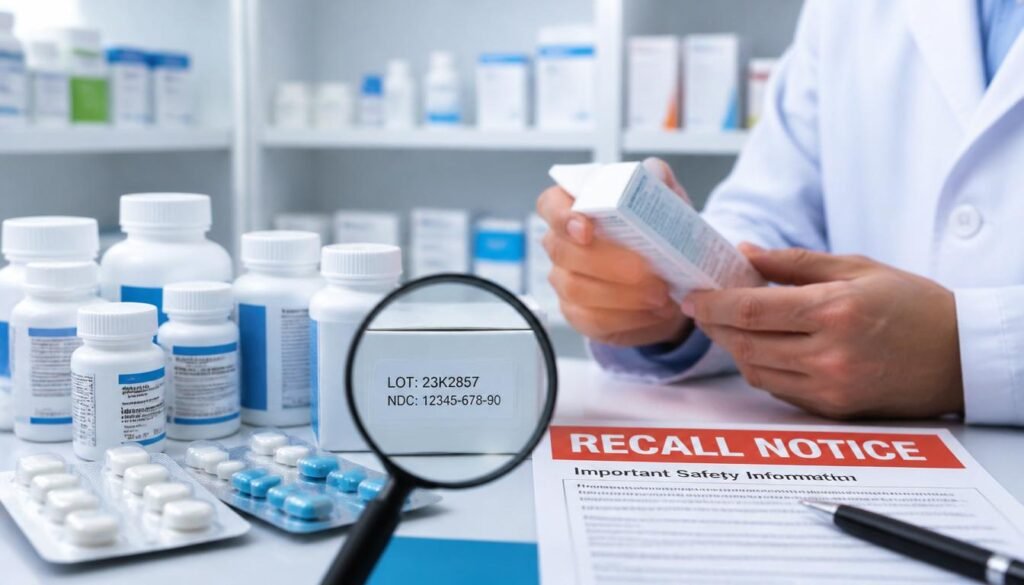
A nationwide antihistamine recall linked to possible contamination with a heartburn medication has raised a very practical question for allergy sufferers: How do I know if my medicine is affected, and what should I do if it is?
According to FDA recall communications, the concern involves an antihistamine product distributed in the U.S. that may have been contaminated with a heartburn drug ingredient — commonly associated with medications such as famotidine, the active ingredient in many acid-reducing products used for heartburn and gastroesophageal reflux disease, or GERD.
For most people, accidental exposure to a small amount of a heartburn medication may not cause serious harm. But “probably fine” is not the standard for drug safety. People with certain medical conditions, medication interactions, allergies, pregnancy considerations, or kidney impairment may be at higher risk. And any contamination raises another issue: you may not be getting exactly the dose or medication listed on the label.
Let’s walk through what the recall means, how to check your medicine cabinet, and what to do next.
Quick Summary: What Consumers Should Do
| Step | What to Do | Why It Matters |
|---|---|---|
| 1 | Check the FDA recall notice and your product label | Recalls usually apply to specific lot numbers, NDC codes, and expiration dates |
| 2 | Look for the drug name, strength, manufacturer, lot, and expiration date | These details determine whether your bottle/package is affected |
| 3 | Stop using the recalled product if it matches the notice | Avoid potential exposure to an undeclared contaminant |
| 4 | Call your pharmacist or doctor | Especially if you took it, gave it to a child, are pregnant, or take other meds |
| 5 | Report side effects to FDA MedWatch | Helps regulators track safety issues |
What Was Recalled?
The FDA described a U.S. recall involving an antihistamine because of a potential contamination risk involving a heartburn medication ingredient.
Antihistamines are commonly used for:
- Seasonal allergies
- Hives
- Itching
- Sneezing
- Runny nose
- Some cold or allergy combination products
Common over-the-counter antihistamine ingredients include:
- Cetirizine hydrochloride
- Loratadine
- Fexofenadine hydrochloride
- Diphenhydramine hydrochloride
- Chlorpheniramine maleate
- Levocetirizine dihydrochloride
Heartburn drugs, meanwhile, may include acid-reducing agents such as:
- Famotidine — an H2 receptor antagonist
- Omeprazole — a proton pump inhibitor, or PPI
- Esomeprazole magnesium
- Lansoprazole
- Calcium carbonate antacids
In this recall, consumers should not guess based only on the headline. You need to compare your package against the exact details in the FDA recall listing, including:
- Brand or store-brand name
- Active ingredient
- Strength, such as 10 mg, 25 mg, 180 mg, etc.
- Lot number
- Expiration date
- NDC number, also called the National Drug Code
- Manufacturer or distributor
You can check current FDA recall announcements here:
FDA Recalls, Market Withdrawals, and Safety Alerts
Why Would an Antihistamine Be Contaminated With a Heartburn Drug?
Medication contamination can happen when products are manufactured, packaged, or handled in shared facilities or on shared equipment. Drugmakers are required to follow Current Good Manufacturing Practice, often abbreviated as CGMP, to prevent mix-ups and cross-contamination.
Possible causes include:
- Incomplete cleaning between production runs
- Packaging line mix-ups
- Incorrect tablets or capsules entering the wrong bottle
- Labeling or repackaging errors
- Bulk product handling mistakes
- Supplier or distribution problems
This does not automatically mean every bottle is dangerous. Many recalls are precautionary and apply to specific batches. But if the FDA or a manufacturer identifies a contamination risk, the safest move is to follow the recall instructions.
A Real-World Example: Sarah’s Allergy Bottle
Let me tell you about Sarah, a realistic example of how this kind of recall can sneak up on someone.
Sarah is 38, lives in Ohio, and keeps a bottle of store-brand allergy tablets in her kitchen drawer. She takes one whenever pollen counts spike. She sees a headline about an antihistamine recall but almost ignores it because she assumes, “I bought mine months ago — it’s probably not the same one.”
Then she checks the label.
On the side of the bottle, she finds:
- Active ingredient: cetirizine hydrochloride 10 mg
- Lot number: printed near the expiration date
- NDC code: a three-part number on the label
- Distributor name: listed in small print
Sarah compares those details with the FDA recall notice. Her bottle matches the lot number.
She stops using it, calls the pharmacy where she bought it, and asks whether she should return it or dispose of it. Because she has mild kidney disease and also takes prescription medication, the pharmacist recommends she contact her clinician as well.
That’s exactly the right response: calm, practical, and specific.
What Is the Health Risk of Heartburn Drug Contamination?
The risk depends on the contaminant, dose, amount of exposure, and the person taking it.
If the contaminant is famotidine, for example, it belongs to a class of drugs called H2 receptor antagonists. Famotidine reduces stomach acid by blocking histamine H2 receptors in the stomach.
Common famotidine side effects may include:
- Headache
- Dizziness
- Constipation
- Diarrhea
- Nausea
Less common but more serious concerns can include:
- Confusion, especially in older adults or people with kidney impairment
- Allergic reactions
- Heart rhythm concerns in vulnerable patients
- Drug interaction concerns with certain medications
People who should be especially cautious include:
| Higher-Risk Group | Why Extra Caution Helps |
|---|---|
| Children | Dosing errors matter more due to body size |
| Pregnant or breastfeeding people | Medication exposure should be reviewed by a clinician |
| Older adults | More likely to take multiple medications |
| People with kidney disease | Famotidine is cleared partly through the kidneys |
| People taking HIV medications such as atazanavir or rilpivirine | Acid reducers may affect absorption of some drugs |
| People with a history of drug allergies | Undeclared ingredients may trigger reactions |
If you took a recalled antihistamine and feel well, don’t panic. But do check with a pharmacist or clinician, especially if you fall into one of the higher-risk categories.
Evidence Check: What Do We Actually Know?
Medication recalls are usually not based on the same kind of evidence as a clinical trial. They often begin with manufacturing records, product testing, quality-control findings, or adverse event reports.
🔬 Lab / Quality Evidence
In a drug recall, “lab evidence” may include:
- Chemical testing showing an undeclared active pharmaceutical ingredient
- Batch testing that detects cross-contamination
- Manufacturing deviations from CGMP standards
- Packaging-line investigations
- Tablet or capsule identification testing
This kind of evidence is about product integrity, not whether the contaminant caused harm in people.
👤 Human Evidence
Human evidence may include:
- Consumer complaints
- Reports of unexpected symptoms
- Pharmacist or clinician reports
- FDA MedWatch submissions
- Poison control center calls
- Medical case reports, if serious events occur
Many recalls happen before confirmed injuries are reported. That is a good thing. Drug safety systems are designed to remove questionable products before widespread harm occurs.
What to Do If You Have the Recalled Antihistamine
1. Do Not Keep Taking It If It Matches the Recall
If your product’s lot number, expiration date, NDC, and brand match the recall notice, stop using it unless your doctor gives you specific instructions.
For most over-the-counter antihistamines, stopping suddenly is not usually dangerous. But if you are using it for chronic hives, severe allergies, or another medical condition, ask your clinician what to use instead.
2. Call Your Pharmacist First
Pharmacists are often the fastest, most practical resource for medication recalls. They can help you:
- Confirm whether your exact product is recalled
- Find a safe replacement
- Determine whether you should contact your doctor
- Explain refund, return, or disposal instructions
Bring or photograph the label, including the lot number and expiration date.
3. Watch for Symptoms
If you used the recalled antihistamine, monitor for:
- Dizziness
- Unusual sleepiness
- Headache
- Nausea or stomach upset
- Rash or itching
- Confusion
- Palpitations
- Swelling of lips, tongue, or face
- Breathing difficulty
Seek emergency care for severe allergic reaction symptoms, breathing trouble, fainting, or chest pain.
4. Report Side Effects
If you experienced symptoms after taking the product, report them to FDA MedWatch:
FDA MedWatch Voluntary Reporting Form
This helps regulators and manufacturers understand whether a recall has caused real-world harm.
How to Read the Label: The Details That Matter
Drug labels can be tiny, but they contain the recall clues you need.
Look for these exact terms:
| Label Term | What It Means |
|---|---|
| Active ingredient | The drug that produces the intended effect, such as cetirizine hydrochloride |
| NDC | National Drug Code; identifies labeler, product, and package size |
| Lot number | Batch identifier used for recalls |
| Expiration date | Date through which product quality is expected |
| Distributor/manufacturer | Company responsible for the product |
| Strength | Dose per tablet, capsule, or liquid amount |
For liquids, also check concentration, such as:
- 5 mg/5 mL
- 10 mg/10 mL
- 12.5 mg/5 mL
For tablets or capsules, check:
- 10 mg
- 25 mg
- 50 mg
- 180 mg
A recall usually does not apply to every antihistamine on the shelf — only to the specific product details named in the FDA notice.
Safe Allergy Management While You Replace the Product
Dietary and lifestyle strategies should never replace professional medical care, especially if you have asthma, anaphylaxis risk, chronic hives, or severe allergies. But they can complement your medication plan while you sort out a safe replacement.
Practical Steps That Help Reduce Allergy Burden
- Use a HEPA air purifier in the bedroom
- Shower and change clothes after high-pollen exposure
- Keep windows closed during high pollen counts
- Wash bedding weekly in hot water
- Use saline nasal rinse with sterile or previously boiled water
- Check pollen counts through weather apps or local allergy forecasts
- Avoid outdoor exercise at peak pollen times if symptoms flare
Mechanistically, these steps reduce your exposure to allergens that trigger IgE-mediated mast cell activation, histamine release, and inflammatory symptoms such as sneezing, itching, and nasal congestion.
Related reading:
- Histamine and Inflammation: Why Allergies Feel So Draining
- How to Build a Low-Inflammation Daily Routine
- How to Read Drug and Supplement Labels Without Getting Lost
Helpful Tool: Check Your Inflammation Risk
Allergies are not just “annoying sniffles” for many people — they can be part of a broader inflammatory pattern involving sleep, stress, diet, air quality, and immune reactivity. If this recall has you reviewing your allergy routine, you may also want to assess your baseline inflammation risk. Our guide to chronic low-grade inflammation (inflammaging) covers the main drivers and what actually lowers them.
Use this as a wellness guide — not as a diagnosis or substitute for medical testing.
What Replacement Antihistamine Should You Use?
Ask your pharmacist which alternative is appropriate for your symptoms, age, other medications, and medical history.
Common options include:
| Ingredient | Typical Use | Notes |
|---|---|---|
| Cetirizine hydrochloride | Allergic rhinitis, hives | May cause drowsiness in some people |
| Loratadine | Seasonal allergies | Usually less sedating |
| Fexofenadine hydrochloride | Seasonal allergies | Often non-drowsy; avoid taking with certain fruit juices |
| Diphenhydramine hydrochloride | Allergies, itching, sleep aid use | More sedating; caution in older adults |
| Levocetirizine dihydrochloride | Allergic rhinitis, hives | May cause sleepiness |
If you have asthma, chronic urticaria, severe food allergies, or prior anaphylaxis, don’t self-manage based only on OTC options. Work with a clinician.
When to Call a Doctor
Call a healthcare professional if:
- You took the recalled product repeatedly
- You gave it to a child
- You are pregnant or breastfeeding
- You have kidney disease
- You take multiple prescription medications
- You experienced dizziness, confusion, rash, swelling, or palpitations
- Your allergy symptoms are not controlled after switching products
- You rely on antihistamines for chronic hives or severe reactions
Call 911 for:
- Trouble breathing
- Swelling of the lips, tongue, throat, or face
- Chest pain
- Fainting
- Severe confusion
- Signs of anaphylaxis
FAQ: Antihistamine Recall and Heartburn Drug Contamination
1. Is every antihistamine in the U.S. recalled?
No. Recalls typically apply to specific products, lots, expiration dates, and NDC numbers. Check the FDA recall notice and compare it with your package.
2. What heartburn drug was involved?
FDA recall notices may describe contamination involving an acid-reducing heartburn medication ingredient, commonly associated with drugs such as famotidine. Always check the official recall notice for the exact contaminant and affected product.
3. What is famotidine?
Famotidine is an H2 receptor antagonist used to reduce stomach acid. It is commonly used for heartburn, acid indigestion, and GERD symptoms.
4. Is famotidine dangerous?
Famotidine is widely used and generally well tolerated when taken correctly. The problem in a recall is undeclared exposure and possible dosing uncertainty, especially for children, pregnant people, older adults, people with kidney disease, or people taking interacting medications.
5. What if I already took the recalled antihistamine?
Do not panic. Stop using it if it matches the recall, save the packaging, and contact your pharmacist or clinician for guidance. Seek urgent care if you have severe symptoms.
6. Can I return the recalled product?
Usually, yes, but instructions vary. The recall notice may advise you to return it to the store, contact the manufacturer, or dispose of it safely.
7. Should I throw it in the trash?
Follow the recall instructions. If no instructions are available, ask your pharmacist about drug take-back programs. Do not flush medication unless the label or FDA specifically says to.
8. Can contamination make my allergy medicine less effective?
Potentially. If tablets or liquid contain the wrong ingredient, wrong concentration, or mixed product, you may not receive the labeled antihistamine dose.
9. Are generic or store-brand antihistamines safe?
Yes, FDA-approved generics and store brands must meet quality standards. Recalls can happen with brand-name or generic products. The key is checking specific recall details.
10. Where can I report a side effect?
Use FDA MedWatch:
Report a Problem to FDA MedWatch
Bottom Line
A U.S. antihistamine recall tied to possible heartburn drug contamination is worth taking seriously — but not panicking over. The smart move is simple: check the exact product details, stop using it if it matches the recall, talk to a pharmacist, and report any side effects.
Medication safety often comes down to tiny print: lot numbers, NDC codes, expiration dates, and active ingredients. Those details tell you whether the recall affects your bottle or not.
Sources and References
- U.S. Food and Drug Administration. Recalls, Market Withdrawals, and Safety Alerts.
https://www.fda.gov/safety/recalls-market-withdrawals-safety-alerts - U.S. Food and Drug Administration. MedWatch: The FDA Safety Information and Adverse Event Reporting Program.
https://www.fda.gov/safety/medwatch-fda-safety-information-and-adverse-event-reporting-program - U.S. Food and Drug Administration. Current Good Manufacturing Practice Regulations.
https://www.fda.gov/drugs/pharmaceutical-quality-resources/current-good-manufacturing-practice-cgmp-regulations - MedlinePlus. Antihistamines for Allergies.
https://medlineplus.gov/ency/patientinstructions/000549.htm - MedlinePlus. Famotidine.
https://medlineplus.gov/druginfo/meds/a687011.html - National Institute of Allergy and Infectious Diseases. Allergies.
https://www.niaid.nih.gov/diseases-conditions/allergies - PubMed. Famotidine safety and pharmacology literature database.
https://pubmed.ncbi.nlm.nih.gov/?term=famotidine+safety - PubMed. Antihistamines allergic rhinitis clinical evidence.
https://pubmed.ncbi.nlm.nih.gov/?term=antihistamines+allergic+rhinitis+clinical+trial
What Was Recalled?
The FDA described a U.S. recall involving an antihistamine because of a potential contamination risk involving a heartburn medication ingredient. Antihistamines are commonly used for: Common over-the-counter antihistamine ingredients include: Heartburn drugs, meanwhile, may include acid-reducing agents such as: In this recall, consumers should not guess based only on the headline. You need to compare your package against the exact details in the FDA recall listing, including: You can check current FDA recall announcements here:FDA Recalls, Market Withdrawals, and Safety Alerts
Why Would an Antihistamine Be Contaminated With a Heartburn Drug?
Medication contamination can happen when products are manufactured, packaged, or handled in shared facilities or on shared equipment. Drugmakers are required to follow Current Good Manufacturing Practice, often abbreviated as CGMP, to prevent mix-ups and cross-contamination. Possible causes include: This does not automatically mean every bottle is dangerous. Many recalls are precautionary and apply to specific batches. But if the FDA or a manufacturer identifies a contamination risk, the safest move is to follow the recall instructions.
What Is the Health Risk of Heartburn Drug Contamination?
The risk depends on the contaminant, dose, amount of exposure, and the person taking it. If the contaminant is famotidine, for example, it belongs to a class of drugs called H2 receptor antagonists. Famotidine reduces stomach acid by blocking histamine H2 receptors in the stomach. Common famotidine side effects may include: Less common but more serious concerns can include: People who should be especially cautious include: If you took a recalled antihistamine and feel well, don’t panic. But do check with a pharmacist or clinician, especially if you fall into one of the higher-risk categories.
Evidence Check: What Do We Actually Know?
Medication recalls are usually not based on the same kind of evidence as a clinical trial. They often begin with manufacturing records, product testing, quality-control findings, or adverse event reports.
What Replacement Antihistamine Should You Use?
Ask your pharmacist which alternative is appropriate for your symptoms, age, other medications, and medical history. Common options include: If you have asthma, chronic urticaria, severe food allergies, or prior anaphylaxis, don’t self-manage based only on OTC options. Work with a clinician.
Is every antihistamine in the U.S. recalled?
No. Recalls typically apply to specific products, lots, expiration dates, and NDC numbers. Check the FDA recall notice and compare it with your package.
What heartburn drug was involved?
FDA recall notices may describe contamination involving an acid-reducing heartburn medication ingredient, commonly associated with drugs such as famotidine. Always check the official recall notice for the exact contaminant and affected product.
What is famotidine?
Famotidine is an H2 receptor antagonist used to reduce stomach acid. It is commonly used for heartburn, acid indigestion, and GERD symptoms.

Julian Vance is the writer and editor behind RegenStep, translating peer-reviewed longevity, metabolic, and gut-health research into practical, actionable guides. Julian is not a licensed physician; content is reviewed against cited primary sources and is for informational purposes only. Always consult a qualified healthcare provider for personal medical advice.