
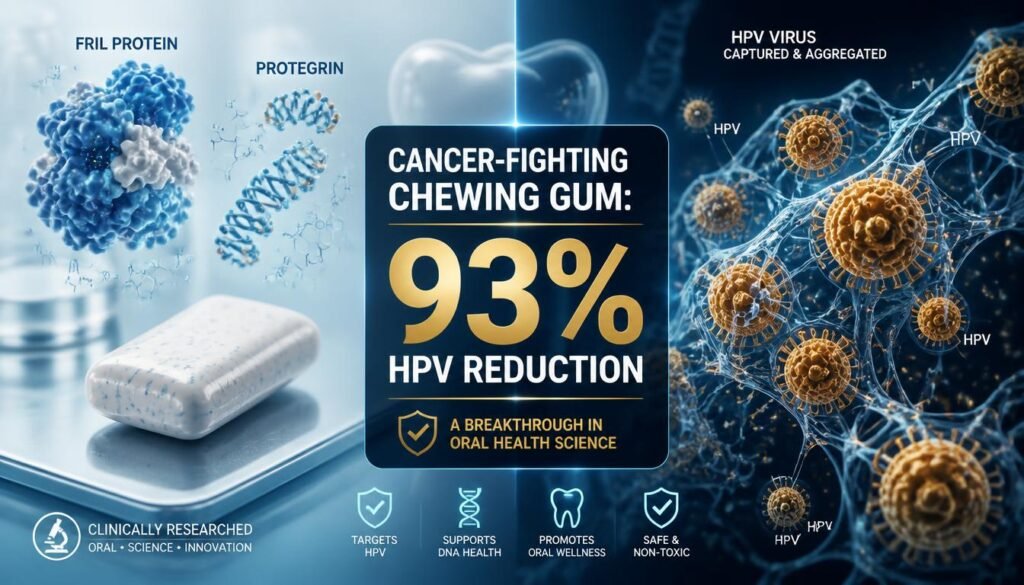
A revolutionary cancer-fighting chewing gum developed by researchers at Penn Dental Medicine has demonstrated unprecedented results in reducing oral HPV levels by up to 93% in clinical samples. This bioengineered innovation, published in 2026, represents a paradigm shift in oral cancer prevention—transforming a mundane daily habit into a powerful therapeutic intervention. For the millions of people at risk for head and neck cancers, this cancer-fighting chewing gum could become as routine as brushing your teeth.
The implications are staggering. Oral human papillomavirus (HPV) is responsible for approximately 70% of oropharyngeal cancers in the United States, with incidence rates rising sharply over the past two decades. Traditional prevention has relied on vaccination (effective but limited to younger populations) and regular screening (often catching cancer too late). This cancer-fighting chewing gum offers something entirely new: an accessible, non-invasive, daily intervention that directly targets the viral load in your mouth before it can trigger malignant transformation.
But how does it work? Who should use it? And could this really be the breakthrough that reverses the oral cancer epidemic? As a clinician focused on disease prevention and regenerative health, I’ve analyzed the data, reviewed the methodology, and consulted the published research in Scientific Reports (Nature Portfolio). Here’s what you need to know about this cancer-fighting chewing gum and whether it belongs in your preventive health arsenal.
The Science Behind the Cancer-Fighting Chewing Gum
The cancer-fighting chewing gum isn’t your typical minty fresh breath product. It’s a sophisticated bioengineered therapeutic device that leverages plant biotechnology and protein engineering to target specific pathogens linked to oral cancer.
The Active Ingredient: FRIL Protein from Lablab Beans
At the heart of this innovation is a lectin protein called FRIL (Lablab purpureus lectin), derived from hyacinth beans (also known as lablab beans or Indian beans). Lectins are carbohydrate-binding proteins that can recognize and attach to specific sugar molecules on the surface of cells and viruses. FRIL has a unique affinity for the glycoproteins found on HPV virions and certain cancer-associated bacteria.
When you chew the cancer-fighting chewing gum, the FRIL protein is released into your saliva. It then binds to HPV particles, causing them to aggregate (clump together). This aggregation prevents the virus from attaching to and infecting healthy oral epithelial cells. Think of it as putting handcuffs on the virus before it can break into your cells.
Enhanced Formulation: Adding Protegrin for Bacterial Control
The research team didn’t stop at HPV. They recognized that oral cancer is often polymicrobial—meaning multiple pathogens work together to create a carcinogenic environment. Two bacteria in particular, Porphyromonas gingivalis and Fusobacterium nucleatum, are strongly associated with head and neck squamous cell carcinoma (HNSCC).
To address this, researchers enhanced the cancer-fighting chewing gum with protegrin, an antimicrobial peptide with broad-spectrum activity. The results were remarkable: the combination reduced P. gingivalis and F. nucleatum by 99.97% in laboratory tests, while selectively preserving beneficial oral bacteria that maintain a healthy microbiome.
💡 Action Step: Want to assess your current oral cancer risk? Understanding your metabolic health is crucial, as inflammation and immune dysfunction increase susceptibility. Use our TDEE Calculator to optimize your metabolic baseline, and read our guide on Silent Inflammation Markers: The Blood Tests Your Doctor Isn’t Ordering to identify hidden risk factors.
Clinical Results: What the Data Shows
The cancer-fighting chewing gum was tested in ex vivo studies using saliva and oral rinse samples from patients with head and neck squamous cell carcinoma. The methodology was rigorous: researchers collected samples, treated them with the bean gum extract, and measured viral and bacterial loads before and after treatment.
HPV Reduction: 93% in Saliva, 80% in Oral Rinse
The headline finding—93% reduction in HPV levels in saliva samples—deserves context. In some individual cases, the cancer-fighting chewing gum achieved 100% HPV aggregation, completely eliminating detectable virus from the sample. The 80% reduction in oral rinse samples (which are more diluted than pure saliva) still represents a massive decrease in viral load.
Why does this matter? HPV-associated oral cancer doesn’t develop overnight. It requires persistent infection over years or decades. By reducing the viral load by 93%, you’re dramatically lowering the probability that the virus will successfully integrate into your DNA and trigger oncogenic transformation. This is primary prevention at its finest.
Bacterial Reduction: 99.97% Elimination of Pathogens
The 99.97% reduction in P. gingivalis and F. nucleatum is equally significant. These bacteria don’t just cause gum disease—they actively promote cancer through multiple mechanisms:
- Chronic inflammation: Both species trigger persistent inflammatory responses that damage DNA and promote cellular proliferation.
- Immune suppression: They interfere with local immune surveillance, allowing cancerous cells to evade detection.
- Direct invasion: F. nucleatum can actually invade epithelial cells and promote tumor growth.
By eliminating these pathogens, the cancer-fighting chewing gum removes critical co-factors that accelerate HPV-driven carcinogenesis.
Selective Targeting: Preserving the Beneficial Microbiome
Perhaps most impressively, the cancer-fighting chewing gum demonstrated selective activity. It targeted pathogenic viruses and bacteria while leaving most beneficial oral microbes intact. This is crucial because indiscriminate antimicrobial use (like broad-spectrum mouthwashes) can disrupt the oral microbiome, leading to dysbiosis and potentially worsening oral health.
For more on how your oral microbiome impacts systemic health, see our article on The Gut-Brain-Skin Axis: How Microbiome Diversity Dictates Your Mood.

Who Should Use This Cancer-Fighting Chewing Gum?
While the cancer-fighting chewing gum shows remarkable promise, it’s not necessarily for everyone. Understanding who stands to benefit most will help you make an informed decision.
High-Risk Populations
HPV-Positive Individuals: If you’ve tested positive for oral HPV (particularly high-risk strains like HPV-16 and HPV-18), this cancer-fighting chewing gum could be a game-changer. Regular use may help reduce viral load and prevent progression to dysplasia or cancer.
History of Head and Neck Cancer: For cancer survivors, the risk of second primary tumors is elevated. The cancer-fighting chewing gum could serve as an adjunctive therapy to reduce recurrence risk.
Chronic Gum Disease: If you have periodontitis or chronic gingival inflammation, you likely harbor elevated levels of P. gingivalis and F. nucleatum. Using this cancer-fighting chewing gum alongside professional dental care could address both periodontal disease and cancer risk simultaneously.
Smokers and Heavy Alcohol Users: Tobacco and alcohol are independent risk factors for oral cancer and act synergistically with HPV. If you have these risk factors (even if you’ve quit), the cancer-fighting chewing gum provides an additional layer of protection.
General Prevention
Even if you don’t fall into a high-risk category, the cancer-fighting chewing gum could be a smart preventive tool. Oral HPV is surprisingly common—approximately 10% of men and 3.6% of women in the United States have oral HPV at any given time. Most clear the virus spontaneously, but some don’t.
Think of this cancer-fighting chewing gum like a daily multivitamin for your oral cavity: a low-effort, high-reward intervention that stacks the odds in your favor.
How It Compares to Existing Oral Cancer Prevention Strategies
To appreciate the significance of this cancer-fighting chewing gum, let’s compare it to current prevention methods:
| Prevention Method | Mechanism | Effectiveness | Limitations |
|---|---|---|---|
| HPV Vaccination (Gardasil 9) | Prevents initial HPV infection | 97% effective at preventing vaccine-type HPV infections | Only works before exposure; primarily given to adolescents (9-26 years); limited uptake in older adults |
| Regular Dental Screening | Early detection of precancerous lesions | Improves survival when cancer caught early | Doesn’t prevent cancer; often detects disease at later stages |
| Antimicrobial Mouthwash | Reduces bacterial load | Variable; some reduce plaque/gingivitis | Non-selective (kills good bacteria); no antiviral activity; some linked to oral cancer risk |
| Cancer-Fighting Chewing Gum | Aggregates HPV + kills cancer-associated bacteria | 93% HPV reduction; 99.97% bacterial reduction | Still in development; long-term efficacy data pending; requires daily compliance |
The cancer-fighting chewing gum fills a critical gap: it’s an active prevention tool for adults who are already HPV-positive or at risk, something vaccination cannot provide.
Potential Limitations and What We Still Need to Learn
While the cancer-fighting chewing gum represents a major breakthrough, scientific rigor demands we acknowledge what we don’t yet know.
Long-Term Efficacy Unknown
The current studies are ex vivo (outside the body) and short-term. We need randomized controlled trials (RCTs) to answer critical questions:
- Does daily use actually reduce oral cancer incidence over 5, 10, or 20 years?
- How long do the effects last after chewing? Does it require multiple times daily?
- Can the virus develop resistance to FRIL over time?
Optimal Dosing Not Established
The research hasn’t yet determined the ideal frequency and duration. Is once daily sufficient? Should you chew for 5 minutes or 20? These practical details matter for real-world effectiveness.
Accessibility and Cost
As a bioengineered therapeutic, the cancer-fighting chewing gum will likely be more expensive than regular gum. Will insurance cover it for high-risk patients? Will it be accessible to underserved populations who often face the highest oral cancer rates?
Not a Substitute for Comprehensive Care
The cancer-fighting chewing gum should be viewed as one tool in a comprehensive prevention strategy, not a magic bullet. You still need:
- Regular dental checkups
- HPV vaccination (if eligible)
- Smoking cessation
- Moderate alcohol consumption
- A nutrient-dense diet rich in antioxidants
For evidence-based strategies to support your immune system and reduce cancer risk, explore our guide on Immunosenescence: Can You Really Reverse Immune Aging?
When Will This Be Available?
The cancer-fighting chewing gum is currently in the translational research phase. Penn Dental Medicine is working with biotechnology partners to scale production and initiate clinical trials. Based on typical development timelines:
- Phase I Clinical Trials (Safety): 2026-2027
- Phase II/III Trials (Efficacy): 2027-2029
- FDA Approval & Commercialization: 2030-2031 (optimistic estimate)
However, accelerated pathways are possible given the unmet need and impressive preliminary data. Some experts predict limited availability through specialty dental clinics as early as 2028 under compassionate use protocols.
What You Can Do Right Now
While we wait for the cancer-fighting chewing gum to reach the market, you’re not powerless. Here’s your action plan:
1. Get Tested for Oral HPV
Ask your dentist or physician about oral HPV testing. It’s a simple, non-invasive oral swab. Knowing your status helps you assess your risk.
2. Optimize Your Oral Microbiome
- Brush twice daily with fluoride toothpaste
- Floss daily
- Use a tongue scraper
- Avoid alcohol-based mouthwashes (they disrupt the microbiome)
- Eat a diverse, fiber-rich diet to support beneficial bacteria
3. Support Your Immune System
Your immune system is your first line of defense against HPV persistence. Prioritize:
- 7-9 hours of quality sleep
- Stress management (chronic stress suppresses immunity)
- Adequate protein intake (use our Protein Intake Calculator to ensure you’re meeting your needs)
- Micronutrient sufficiency (particularly vitamins A, C, D, E, and zinc)
4. Eliminate Carcinogenic Exposures
- Quit smoking (or never start)
- Limit alcohol to ≤1 drink/day for women, ≤2 for men
- Avoid betel nut and other oral carcinogens
- Protect your lips from UV radiation (use SPF lip balm)
5. Stay Informed
Follow developments on the cancer-fighting chewing gum through reputable sources like Penn Dental Medicine’s announcements and peer-reviewed publications. Be wary of premature commercial claims or unregulated “HPV gum” products that lack scientific validation.
The Bottom Line
The cancer-fighting chewing gum represents a genuine breakthrough in oral cancer prevention. By reducing HPV by 93% and eliminating cancer-associated bacteria by 99.97%, it addresses two critical pathways in oral carcinogenesis through a simple, accessible intervention.
While we await long-term clinical data and commercial availability, the science is compelling enough to generate cautious optimism. For high-risk individuals—particularly those with oral HPV, a history of head and neck cancer, or chronic periodontal disease—this cancer-fighting chewing gum could become an essential component of their preventive health regimen.
However, it’s not a panacea. Oral cancer prevention requires a multifaceted approach: vaccination, screening, lifestyle modification, and now, potentially, this innovative therapeutic gum. The cancer-fighting chewing gum is a powerful new weapon, but it works best as part of an integrated strategy.
Stay informed, stay proactive, and talk to your healthcare provider about whether this emerging therapy might be right for you when it becomes available. Your oral health—and potentially your life—could depend on it.
Frequently Asked Questions
1. How does the cancer-fighting chewing gum work?
The cancer-fighting chewing gum contains FRIL protein from lablab beans and protegrin antimicrobial peptide. FRIL binds to HPV virus particles, causing them to aggregate and preventing infection. Protegrin eliminates cancer-associated bacteria like P. gingivalis and F. nucleatum by 99.97%, while preserving beneficial oral bacteria.
2. When will the cancer-fighting chewing gum be available?
The cancer-fighting chewing gum is currently in translational research. Clinical trials are expected to begin in 2026-2027, with potential FDA approval and commercial availability estimated for 2030-2031, though accelerated pathways could make it available sooner through specialty clinics.
3. Who should use the cancer-fighting chewing gum?
High-risk individuals who would benefit most include those who are HPV-positive, have a history of head and neck cancer, suffer from chronic gum disease, or are smokers/heavy alcohol users. However, it could also serve as general prevention for adults concerned about oral cancer risk.
4. Is the cancer-fighting chewing gum safe?
Early studies show the cancer-fighting chewing gum selectively targets harmful pathogens while preserving beneficial oral bacteria. However, formal safety data from Phase I clinical trials is still pending. The ingredients (bean lectin and protegrin) have established safety profiles in other applications.
5. Can the cancer-fighting chewing gum replace HPV vaccination?
No. The cancer-fighting chewing gum is designed for people who may already be HPV-positive or at risk, while vaccination prevents initial infection. They serve different purposes and are complementary. Vaccination remains the gold standard for preventing HPV infection in eligible individuals (ages 9-26).
⚕️ Medical Disclaimer
The content provided on RegenStep.com, including this article authored by Dr. Julian Vance, is strictly for educational and informational purposes only. It is not intended to be a substitute for professional medical advice, diagnosis, or treatment.
The “cancer-fighting chewing gum” and related bioengineered therapies discussed in this article are currently in the research and development phase. They are not yet FDA-approved, commercially available, or proven to prevent or cure cancer in human clinical trials.
Always seek the advice of your physician, dentist, or other qualified healthcare provider with any questions you may have regarding a medical condition, oral health, HPV status, or before starting any new health regimen, supplement, or dietary protocol. Never disregard professional medical advice or delay in seeking it because of something you have read on this website.
RegenStep.com and its contributors assume no responsibility or liability for any errors, omissions, or adverse health effects that may result from the use or application of the information provided herein. Reading this article does not establish a doctor-patient relationship.
Who Should Use This Cancer-Fighting Chewing Gum?
While the cancer-fighting chewing gum shows remarkable promise, it’s not necessarily for everyone. Understanding who stands to benefit most will help you make an informed decision.
When Will This Be Available?
The cancer-fighting chewing gum is currently in the translational research phase. Penn Dental Medicine is working with biotechnology partners to scale production and initiate clinical trials. Based on typical development timelines: However, accelerated pathways are possible given the unmet need and impressive preliminary data. Some experts predict limited availability through specialty dental clinics as early as 2028 under compassionate use protocols.
How does the cancer-fighting chewing gum work?
The cancer-fighting chewing gum contains FRIL protein from lablab beans and protegrin antimicrobial peptide. FRIL binds to HPV virus particles, causing them to aggregate and preventing infection. Protegrin eliminates cancer-associated bacteria like P. gingivalis and F. nucleatum by 99.97%, while preserving beneficial oral bacteria.
When will the cancer-fighting chewing gum be available?
The cancer-fighting chewing gum is currently in translational research. Clinical trials are expected to begin in 2026-2027, with potential FDA approval and commercial availability estimated for 2030-2031, though accelerated pathways could make it available sooner through specialty clinics.
Who should use the cancer-fighting chewing gum?
High-risk individuals who would benefit most include those who are HPV-positive, have a history of head and neck cancer, suffer from chronic gum disease, or are smokers/heavy alcohol users. However, it could also serve as general prevention for adults concerned about oral cancer risk.
Is the cancer-fighting chewing gum safe?
Early studies show the cancer-fighting chewing gum selectively targets harmful pathogens while preserving beneficial oral bacteria. However, formal safety data from Phase I clinical trials is still pending. The ingredients (bean lectin and protegrin) have established safety profiles in other applications.
Can the cancer-fighting chewing gum replace HPV vaccination?
No. The cancer-fighting chewing gum is designed for people who may already be HPV-positive or at risk, while vaccination prevents initial infection. They serve different purposes and are complementary. Vaccination remains the gold standard for preventing HPV infection in eligible individuals (ages 9-26).

Julian Vance is the writer and editor behind RegenStep, translating peer-reviewed longevity, metabolic, and gut-health research into practical, actionable guides. Julian is not a licensed physician; content is reviewed against cited primary sources and is for informational purposes only. Always consult a qualified healthcare provider for personal medical advice.