
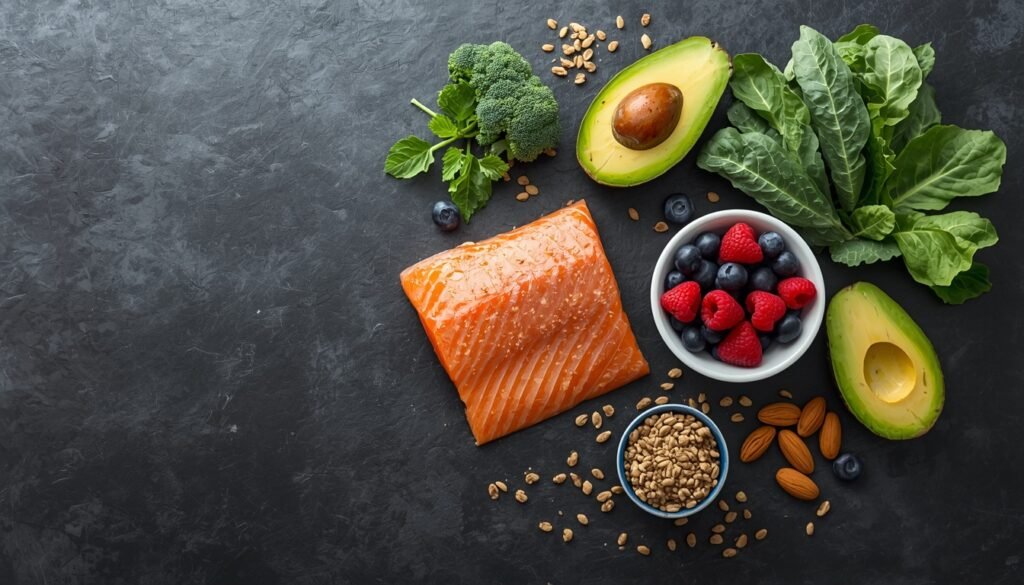
Choosing the right foods for insulin resistance may be one of the most powerful ways to protect your long-term metabolic health — and the science increasingly agrees. Nearly 40% of American adults are estimated to be insulin resistant, a condition that quietly raises the risk of prediabetes, type 2 diabetes, weight gain, and hormonal issues like PCOS. The encouraging news is that what sits on your plate can genuinely change the trajectory.
Insulin resistance happens when your cells stop responding properly to insulin, the hormone that helps move glucose out of your bloodstream and into your cells for energy. When cells resist that signal, blood sugar stays elevated, and your body pumps out even more insulin to compensate. Over time, this cycle drives metabolic disease. But a well-designed insulin resistance diet — rich in fiber, lean protein, healthy fats, and low-glycemic carbohydrates — can help reverse the process and restore insulin sensitivity naturally.
This guide breaks down exactly which foods to eat, which foods to avoid, and how to structure your meals so your blood sugar stays stable throughout the day.
What Is Insulin Resistance (And Why Food Matters So Much)
Insulin resistance is best understood as a communication breakdown. Insulin is supposed to act like a key, unlocking your cells so glucose can enter. When your cells become resistant, the key no longer works well — glucose builds up in the blood, and your pancreas responds by producing more and more insulin to force the door open.
This is where diet becomes so decisive. Every meal sends a signal to this system. Foods that cause rapid, sharp spikes in blood sugar demand large insulin surges, and repeating that pattern day after day makes resistance worse. Foods that release glucose slowly and steadily ask far less of your insulin system, giving it room to recover.
The good news, confirmed repeatedly by clinical sources like the Cleveland Clinic, is that insulin resistance can often be improved — and sometimes reversed — through consistent changes to daily eating habits. You are not stuck with it.
Not sure whether insulin resistance applies to you? Before changing your diet, it helps to recognise the 7 warning signs of insulin resistance — most of them appear years before blood sugar shows up as abnormal on a standard test.
The Best Foods for Insulin Resistance
The most effective foods for insulin resistance share a common trait: they slow down digestion and blunt the blood sugar response. Here are the categories that matter most.
1. High-Fiber, Non-Starchy Vegetables
Non-starchy vegetables should fill roughly half your plate. Broccoli, cauliflower, asparagus, leafy greens like kale and spinach, Brussels sprouts, and peppers are all excellent. They are low in calories, high in fiber, and packed with polyphenols — plant antioxidants that help reduce the oxidative stress that impairs how your muscles and fat absorb glucose.
Fiber is the real hero here. It slows digestion, flattens blood sugar spikes, and promotes fullness. Aiming for a high daily fiber intake is one of the most reliable dietary strategies for balancing blood sugar.
2. Lean and Plant-Based Proteins
Protein has a minimal direct impact on blood sugar and, importantly, helps slow the absorption of carbohydrates when eaten alongside them. Good choices include chicken, turkey, fish, eggs, and Greek yogurt. For plant-based options, lentils, chickpeas, black beans, tofu, and tempeh are outstanding because they deliver protein and fiber together.
3. Fatty Fish and Omega-3s
There is solid evidence that omega-3 fatty acids can help reduce insulin resistance. Fatty fish such as salmon, sardines, herring, and albacore tuna are among the richest sources. Including a couple of servings of fatty fish per week supports both metabolic and cardiovascular health.
4. Healthy Unsaturated Fats
Healthy fats improve satiety and support proper insulin function. Monounsaturated fats, like those found in avocados and olive oil, have been shown to improve insulin sensitivity. Avocados are a standout because a single one delivers around 10 grams of fiber alongside those beneficial fats — a combination that helps minimize post-meal glucose spikes. Nuts and seeds are also excellent additions.
5. Low-Glycemic Fruits
Fruit is not off-limits — the key is choosing lower-glycemic options. Berries, apples, pears, and peaches release sugar more slowly and come packaged with fiber. These are far better choices than high-glycemic fruits like watermelon, pineapple, and banana, which raise blood sugar more sharply.
6. Whole Grains (Complex Carbohydrates)
When you eat grains, choose whole, minimally processed ones. Oats, brown rice, quinoa, and whole-wheat products are complex carbohydrates that take longer to digest, which limits blood sugar spikes compared to refined grains.
Foods to Avoid With Insulin Resistance
Knowing which foods to avoid is just as important as knowing what to eat. These are the items that drive the sharp glucose spikes and heavy insulin demand that worsen resistance over time.
Refined carbohydrates are the biggest offenders — white bread, white rice, pasta, chips, and processed baked goods digest rapidly and spike blood sugar. Added sugars and sugary drinks, including sodas, sweetened coffee drinks, fruit juice, and smoothies, deliver fast-absorbing simple sugars with little nutritional value. It is worth noting that even “natural” sweeteners like honey, maple syrup, and agave are still sugar and affect blood sugar similarly.
Trans fats, found in hydrogenated oils, shortening, fast food, and many processed baked goods, have been shown to worsen metabolic health. Diets high in saturated fats — common in cream, butter, and fatty processed meats — may also be more likely to promote insulin resistance than diets rich in unsaturated fats. Finally, be cautious with alcohol, which contains carbohydrates and calories and can complicate blood sugar control, especially when combined with glucose-lowering medications.
What Ruins Insulin Sensitivity?
Just as important as what to eat is what to minimize. The biggest saboteurs:
- Added sugars and sugar-sweetened beverages—the fastest route to glucose and insulin spikes.
- Refined carbs (white bread, pastries, most packaged snacks) that digest too quickly.
- Ultra-processed foods, which combine refined carbs, low fiber, and additives.
- Excess visceral fat—fat around the organs is a major driver of insulin resistance.
- A sedentary lifestyle, poor sleep, and chronic stress—all impair insulin sensitivity independent of diet.
The fat that matters most here is the fat you cannot see. If you carry weight around the middle, read visceral fat vs subcutaneous fat to understand why it drives insulin resistance so strongly.
How to Build a Meal That Balances Blood Sugar
Beyond individual foods, how you combine them dramatically affects your blood sugar response. This is often more powerful than obsessing over any single ingredient.
The core principle is simple: never eat carbohydrates alone. Pairing carbs with protein, fiber, or healthy fat slows digestion and flattens the resulting glucose curve, reducing the amount of insulin your body must release at once. A plate of white rice on its own spikes blood sugar quickly; the same rice alongside grilled salmon, avocado, and a large serving of vegetables produces a far gentler, more manageable response.
A reliable framework is to fill half your plate with non-starchy vegetables, one quarter with lean or plant-based protein, and one quarter with a whole-grain or high-fiber carbohydrate, adding a source of healthy fat like olive oil or avocado. This structure naturally builds in the fiber, protein, and fat that keep insulin demand low.
One emerging insight worth mentioning: research from groups like ZOE has shown that different people can have very different blood sugar responses to the exact same food. This means some personal experimentation — paying attention to how specific meals make you feel — can be genuinely valuable alongside these general principles.
What Should You Eat First in the Morning?
Your first meal sets your blood sugar’s tone for the day, so this matters more than people realize. The rule: lead with protein, fiber, and healthy fat—not sugar or refined carbs. A sugary cereal, pastry, or glass of juice triggers a sharp glucose spike and crash; a breakfast of eggs, Greek yogurt, or oats with nuts and berries produces a slow, steady response.
Two evidence-based tips: first, food order matters—eating your vegetables and protein before the carbs at a meal blunts the post-meal glucose rise. Second, consider front-loading your day: a substantial breakfast and lighter dinner tends to suit insulin sensitivity better than the reverse.
Your 7-Day Insulin Resistance Meal Plan
Every meal below is built on the same principle: fiber + protein + healthy fat, with smart, slow carbs. Adjust portions to your appetite and needs—this is about food quality, not calorie counting.
| Day | Breakfast | Lunch | Dinner | Snack |
|---|---|---|---|---|
| Mon | Veggie omelet with spinach + avocado | Lentil & vegetable soup, side salad with olive oil | Baked salmon, roasted broccoli, quinoa | Handful of almonds |
| Tue | Greek yogurt with chia seeds + berries | Chickpea & mixed-greens salad, feta, olive oil | Grilled chicken, sautéed greens, sweet potato | Apple with a spoon of nut butter |
| Wed | Steel-cut oats with walnuts + cinnamon | Tuna & white-bean salad over arugula | Turkey & vegetable stir-fry, brown rice | Carrot sticks with hummus |
| Thu | Scrambled eggs, sautéed mushrooms + tomato | Leftover stir-fry + a large green salad | Baked cod, roasted cauliflower, lentils | Greek yogurt with a few berries |
| Fri | Smoothie: spinach, protein, berries, flaxseed | Mediterranean bowl: quinoa, chickpeas, veg, tahini | Grilled shrimp, zucchini noodles, pesto | Small handful of pistachios |
| Sat | Cottage cheese with sliced pear + walnuts | Lentil salad with roasted vegetables | Chicken & vegetable curry, small brown rice | Celery with almond butter |
| Sun | Frittata with peppers, onion + side of berries | Salmon & avocado salad, olive oil dressing | Bean & vegetable chili, side salad | A square of dark chocolate + nuts |
⚖️ Track What Actually Drives Insulin Resistance
Visceral fat is one of the strongest drivers of insulin resistance—and one of the first things to improve on a plan like this. Get your starting number so you can measure real progress over the coming weeks.
How to Reduce Insulin Resistance in 1 Week
👤 Human Evidence. Let’s be honest: you won’t fully reverse long-standing insulin resistance in seven days—but you can meaningfully improve it fast. Insulin sensitivity responds quickly, and a focused week can produce measurable gains. Your 1-week kickstart:
- Cut the biggest offenders—added sugar, sugary drinks, and refined carbs—immediately.
- Follow the plan above and lead every meal with protein, fiber, and vegetables.
- Walk after meals. Even 10–15 minutes blunts glucose spikes—one of the fastest-acting tools you have.
- Move daily. A single exercise session improves insulin sensitivity for up to a day or more.
- Protect your sleep. Even a few nights of good sleep improves glucose handling.
Think of one week as igniting the process, not finishing it—the real reversal comes from making these habits stick.
What Vitamin Stops Insulin Resistance?
👤 Human Evidence. No single vitamin “stops” insulin resistance—but two nutrients stand out:
- Magnesium (the strongest evidence). A cofactor in glucose metabolism, magnesium is repeatedly linked to insulin sensitivity. A meta-analysis of over 500,000 people found higher magnesium intake was associated with a markedly lower risk of type 2 diabetes, and supplementation improves insulin resistance, especially in people who are deficient. Magnesium-rich foods—dark leafy greens, legumes, nuts, whole grains—are conveniently already all over the plan above.
- Vitamin D. Deficiency is associated with higher insulin resistance, and correcting a deficiency may help. Interestingly, magnesium is needed to activate vitamin D, so the two work together.
The honest takeaway: these help most when you’re deficient. Test first with your doctor, get them from food where possible, and don’t rely on megadoses to fix a diet-and-lifestyle problem.
Among plant compounds, berberine is the one with the most human data on blood sugar; we reviewed the evidence and the caveats in berberine as a natural Ozempic alternative.
Making the Plan Work
- Prep ahead. Batch-cook grains, legumes, and proteins so healthy choices are the easy ones.
- Never eat naked carbs. Always pair carbs with protein, fat, or fiber to slow glucose absorption.
- Hydrate, and lean on herbs, spices, olive oil, and vinegar for flavor instead of sugar.
Explore more in our Metabolism & Weight Loss library, and see how building muscle improves glucose control.
What Do Japanese People “Take” for Diabetes?
👤 Human Evidence. This is a great question, and the honest answer has two parts. Medically, Japanese doctors prescribe standard diabetes medications like metformin (and notably, DPP-4 inhibitors are especially widely used in Japan). But the more interesting answer is dietary: the traditional Japanese eating pattern is associated with lower rates of obesity and metabolic disease, and several of its staples have promising research:
- Fermented soy (natto and miso). Studies link these to reduced insulin resistance and better glycemic control. Fascinatingly, natto has even been shown to inhibit DPP-IV—the very enzyme targeted by that popular class of diabetes drugs—and its poly-gamma-glutamic acid can blunt post-meal glucose spikes.
- Green tea. Japanese cohort research associates higher green tea intake with lower type 2 diabetes risk, likely via catechins.
- Fish, seaweed, and vegetables. Omega-3s, fiber, and a naturally lower intake of ultra-processed food round out the pattern.
An honest caveat: much of this evidence is observational or mixed (soy trials haven’t always shown clear glucose benefits), so these are supportive habits—not cures, and not a substitute for medical treatment.
How to Manage Insulin Sensitivity Naturally
Diet is the foundation, but the full picture is a handful of powerful, well-supported habits:
- Move your muscles. Both aerobic exercise and resistance training improve insulin sensitivity—muscle is your body’s main glucose sink, so building and using it matters. See why muscle is a metabolic organ.
- Take a walk after meals. Even a 10–15 minute post-meal walk meaningfully blunts blood-sugar spikes.
- Lose excess visceral fat. Even modest fat loss can substantially improve insulin sensitivity.
- Prioritize sleep and manage stress. Both directly affect glucose control.
- Consider meal timing. Time-restricted eating may help—see our guide on what fasting does to your metabolism.
- Eat enough fiber. Aim high; it’s one of the simplest, most effective levers.
For a natural compound that’s been studied here, see our evidence review of berberine—and explore more in our Metabolism & Weight Loss library.
Training is the other half of the equation: steady aerobic work at the right intensity targets the fat that drives insulin resistance most, which we break down in the Zone 2 visceral fat sweet spot, and the deeper goal is metabolic flexibility — the ability to switch cleanly between burning carbs and fat.
When To See a Doctor
If you have prediabetes, diabetes, PCOS, or symptoms like excessive thirst, frequent urination, or unexplained fatigue, work with a physician. Diet and lifestyle can dramatically improve—and sometimes reverse—insulin resistance, but they should be coordinated with proper medical monitoring, especially if you take medication. Don’t adjust or stop any prescription on your own.
Frequently Asked Questions
What is the single best food for insulin resistance? There is no one magic food, but non-starchy leafy green vegetables and fatty fish are among the most consistently beneficial. The bigger win comes from an overall pattern rich in fiber, lean protein, and healthy fats rather than any single item.
Can the right foods reverse insulin resistance? In many cases, yes. Clinical sources indicate that insulin resistance can often be improved or reversed through sustained dietary and lifestyle changes, particularly reducing refined carbs and sugar while increasing fiber, protein, and healthy fats.
Are eggs good for insulin resistance? Yes. Eggs are a source of high-quality protein with minimal impact on blood sugar, making them a solid choice, especially when paired with vegetables.
Is fruit bad for insulin resistance? No, but choice matters. Lower-glycemic fruits like berries, apples, and pears are good options, while high-glycemic fruits like watermelon and pineapple should be eaten more sparingly.
What should I eat first in the morning for insulin resistance? Start with protein, fiber, and healthy fat rather than sugar or refined carbs—think eggs, Greek yogurt, or oats with nuts and berries. Avoid sugary cereals, pastries, and juice. Eating vegetables and protein before carbohydrates also helps blunt the post-meal blood sugar rise.
How can I reduce insulin resistance in 1 week? You can meaningfully improve insulin sensitivity in a week by cutting added sugar and refined carbs, following a high-fiber whole-food plan, walking after meals, exercising daily, and prioritizing sleep. A single week kickstarts the process, though fully reversing established insulin resistance takes sustained habits.
What vitamin stops insulin resistance? No single vitamin stops it, but magnesium has the strongest evidence for supporting insulin sensitivity, followed by vitamin D. Both help most in people who are deficient, so it’s best to test levels with your doctor and prioritize food sources like leafy greens, legumes, nuts, and whole grains rather than relying on high-dose supplements.
Can insulin resistance be reversed permanently? Often it can be substantially reversed and kept in check—especially when caught early—through sustained diet, exercise, weight management, and sleep. It requires maintaining these habits long term, since reverting to old patterns can bring insulin resistance back. Work with your doctor to monitor progress.
What do Japanese people take for diabetes? Medically, Japanese doctors use standard diabetes drugs like metformin and DPP-4 inhibitors. Dietarily, the traditional Japanese pattern—rich in fish, fermented soy (natto and miso), green tea, seaweed, and vegetables—is associated with lower diabetes rates. Natto in particular has shown promising effects on blood sugar, though much of this evidence is observational, not a cure.
What ruins insulin sensitivity? The main culprits are added sugars and sugar-sweetened beverages, refined carbohydrates, ultra-processed foods, excess visceral fat, a sedentary lifestyle, poor sleep, and chronic stress. These promote glucose spikes, inflammation, and fat accumulation that impair how cells respond to insulin.
How can I improve insulin sensitivity naturally? Combine a Mediterranean-style, high-fiber diet with regular exercise (both aerobic and resistance training), post-meal walks, losing excess visceral fat, quality sleep, and stress management. Building muscle is especially effective, since muscle is the body’s primary site for clearing blood glucose.
Does exercise improve insulin sensitivity? Yes, significantly. Both aerobic exercise and resistance training make cells more responsive to insulin, and muscle contraction helps clear glucose from the blood even without insulin. A single session improves sensitivity temporarily, and regular training produces lasting benefits.
The Complete Metabolic Health Library
Insulin is the entry point, but it is not the whole story. These guides cover the other hormones, the fat that matters, the drug-free alternatives, and the numbers worth tracking.
The Hormones Driving Weight Gain
- 7 Warning Signs of Insulin Resistance
- Leptin Resistance and the Weight-Loss Plateau
- Cortisol Belly Fat: When Stress Blocks Fat Loss
- The Fasting Trap That Raises Cortisol
- Why You Are Still Hungry After Eating
Metabolism, Age and Protein
- Why Metabolism Slows After 40 (and How to Reverse It)
- How Much Protein You Actually Need After 50
- Metabolic Flexibility: Switching Between Carbs and Fat
- The Protein Leverage Hypothesis and Modern Hunger
Body Fat: Where It Sits and Why It Matters
- Visceral vs Subcutaneous Fat: Which One Matters
- Activating Brown Fat With Cold Exposure
- How Coffee and Green Tea Switch On Brown Fat
- Zone 2 Cardio: The Visceral Fat Sweet Spot
GLP-1, Ozempic and Drug-Free Alternatives
- Natural GLP-1: Ozempic-Like Effects From Food
- Berberine: How Close Is It to Ozempic?
- The GLP-1 Microdosing Trend
- Ozempic Face and Skin Elasticity
- Preventing the Skin Aging of Rapid Weight Loss
Measuring Progress: BMI and Body Composition
- How to Calculate BMI (and What It Misses)
- BMI vs Body Fat Percentage
- Is BMI Outdated? What the Research Says
The Bottom Line
Managing insulin resistance through diet is less about restriction and more about strategy. By centering your meals on high-fiber vegetables, lean and plant-based proteins, healthy fats, omega-3-rich fish, and low-glycemic carbohydrates — while minimizing refined carbs, added sugars, and processed foods — you directly address the root of the problem. You give your insulin system less to react to, and you create the conditions for sensitivity to gradually return.
The most encouraging part is that insulin resistance is frequently reversible. Every balanced meal is a step in the right direction, and consistency over time is what produces real metabolic change. Start with one or two swaps this week, build from there, and let the compounding benefits work in your favor.
References
- Higher Adherence to a Mediterranean Diet Is Associated with Improved Insulin Sensitivity. PMC. ncbi.nlm.nih.gov/pmc/articles/PMC9608711
- Targeting Insulin Resistance Through Nutrition: Pathophysiological Insights and Dietary Interventions. Nutrients (MDPI), 2026. mdpi.com/2072-6643/18/7/1119
- Cleveland Clinic. Insulin Resistance Diet: Foods to Focus On. health.clevelandclinic.org/insulin-resistance-diet
- Hashimoto Y, et al. Fermented soybean foods and diabetes. Journal of Diabetes Investigation, 2023. onlinelibrary.wiley.com/doi/10.1111/jdi.14088
- Soy Intake and Risk of Type 2 Diabetes Among Japanese Men and Women (JACC Study). PMC. ncbi.nlm.nih.gov/pmc/articles/PMC8784605
- Dietary Magnesium Intake Improves Insulin Resistance among Non-Diabetic Individuals with Metabolic Syndrome. PMC. ncbi.nlm.nih.gov/pmc/articles/PMC3820051
- Effect of magnesium supplementation on insulin resistance in humans: a systematic review. Nutrition. sciencedirect.com/science/article/abs/pii/S0899900717300229
- Higher Magnesium Intake Reduces Risk of Impaired Glucose and Insulin Metabolism. Diabetes Care. diabetesjournals.org/care/article/37/2/419
- Relationship among dietary vitamin D, magnesium, calcium, and glycemic control markers in type 2 diabetes. ScienceDirect, 2023. sciencedirect.com
This article is for educational purposes and does not constitute medical advice. If you have insulin resistance, prediabetes, diabetes, or another medical condition, consult a qualified healthcare provider or registered dietitian before making significant dietary changes — especially if you take blood-sugar-lowering medication.
What Ruins Insulin Sensitivity?
Just as important as what to eat is what to minimize. The biggest saboteurs: The fat that matters most here is the fat you cannot see. If you carry weight around the middle, read visceral fat vs subcutaneous fat to understand why it drives insulin resistance so strongly.
What Should You Eat First in the Morning?
Your first meal sets your blood sugar’s tone for the day, so this matters more than people realize. The rule: lead with protein, fiber, and healthy fat—not sugar or refined carbs. A sugary cereal, pastry, or glass of juice triggers a sharp glucose spike and crash; a breakfast of eggs, Greek yogurt, or oats with nuts and berries produces a slow, steady response. Two evidence-based tips: first, food order matters—eating your vegetables and protein before the carbs at a meal blunts the post-meal glucose rise. Second, consider front-loading your day: a substantial breakfast and lighter dinner tends to suit insulin sensitivity better than the reverse.
What Vitamin Stops Insulin Resistance?
👤 Human Evidence. No single vitamin “stops” insulin resistance—but two nutrients stand out: The honest takeaway: these help most when you’re deficient. Test first with your doctor, get them from food where possible, and don’t rely on megadoses to fix a diet-and-lifestyle problem. Among plant compounds, berberine is the one with the most human data on blood sugar; we reviewed the evidence and the caveats in berberine as a natural Ozempic alternative.
What Do Japanese People “Take” for Diabetes?
👤 Human Evidence. This is a great question, and the honest answer has two parts. Medically, Japanese doctors prescribe standard diabetes medications like metformin (and notably, DPP-4 inhibitors are especially widely used in Japan). But the more interesting answer is dietary: the traditional Japanese eating pattern is associated with lower rates of obesity and metabolic disease, and several of its staples have promising research: An honest caveat: much of this evidence is observational or mixed (soy trials haven’t always shown clear glucose benefits), so these are supportive habits—not cures, and not a substitute for medical treatment.

Julian Vance is the writer and editor behind RegenStep, translating peer-reviewed longevity, metabolic, and gut-health research into practical, actionable guides. Julian is not a licensed physician; content is reviewed against cited primary sources and is for informational purposes only. Always consult a qualified healthcare provider for personal medical advice.