
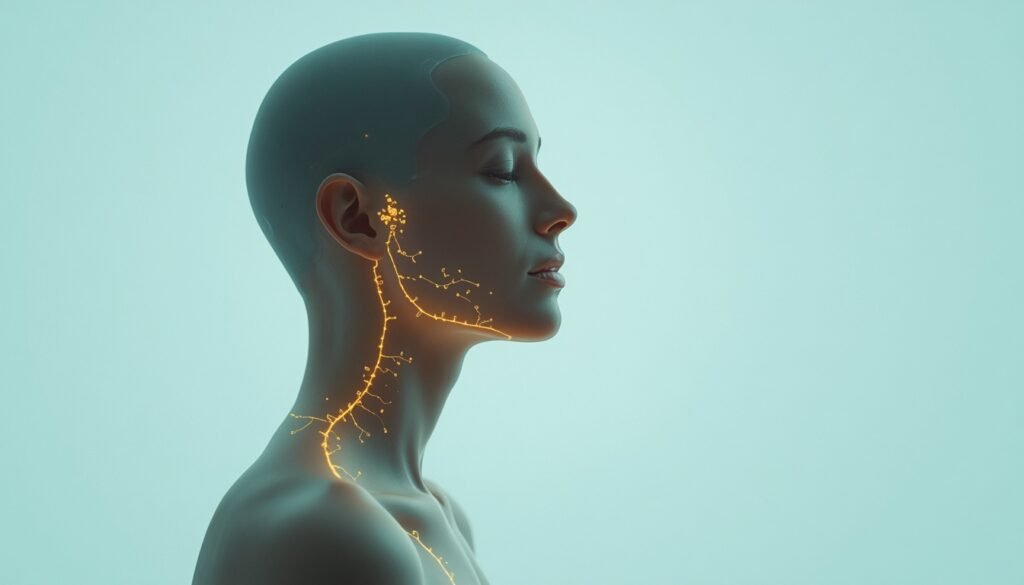
Let me tell you about Priya, a 31-year-old teacher who came to me with two seemingly unrelated complaints: stubborn adult acne and a low, gray mood she couldn’t shake. She’d seen a dermatologist for one and was considering an antidepressant for the other. What neither had asked about was the common thread running beneath both symptoms—the trillions of microbes living in her gut. Because here’s the thing modern research keeps confirming: your gut, your brain, and your skin are not separate territories. They’re three ends of one interconnected conversation, and the language they speak is your microbiome.
Here is the short answer: a diverse, balanced gut microbiome supports stable mood and clear skin, while a disrupted one (dysbiosis) can drive both low mood and inflammatory skin conditions. The connection runs through the gut-brain-skin axis—a network of nerve, immune, and chemical signaling. And the single most important predictor of a healthy gut in this system isn’t any one “superfood.” It’s microbiome diversity: the sheer variety of bacterial species you host.
What Is the Gut-Brain-Skin Axis?
The gut-brain-skin axis describes the two-way communication linking your digestive system, your central nervous system, and your skin. First proposed nearly a century ago and now backed by a growing body of microbiome science, the concept is simple: what happens in your gut doesn’t stay in your gut. Through shared signaling pathways—the nervous system, the immune system, and circulating microbial compounds—the state of your gut ripples outward to influence how you feel and how your skin behaves. A healthy, diverse microbiome sends calming, anti-inflammatory signals. A disrupted one sends inflammatory noise that both your brain and your skin can “hear.”
The Command Center: Your Gut Microbiome
Your lower intestine is home to a sprawling ecosystem of bacteria, fungi, and viruses collectively known as the microbiome. Rather than just digesting food, these microbes function as a massive, active endocrine organ.
As they metabolize what you eat—particularly dietary fiber—beneficial bacteria produce potent biochemical messengers, including Short-Chain Fatty Acids (SCFAs) like butyrate. These metabolites act as the biochemical currency of the Brain-Gut-Skin Axis, traveling through your bloodstream to calm inflammation, repair cellular barriers, and regulate immune function systemically.
A highly diverse microbiome acts like a robust rainforest: it is resilient, balanced, and productive. A low-diversity microbiome—often the result of a high-sugar diet, chronic stress, or repeated antibiotic use—allows pathogenic, pro-inflammatory bacteria to overgrow, triggering a cascade of negative effects throughout the body.
Internal Link: For more on gut health and immunity, see Inflammaging: How Chronic Low-Grade Inflammation Drives Disease .
How Does Your Gut Microbiome Affect Your Mood?
Your gut microbiome influences your mood through at least four overlapping channels—collectively the gut-brain axis:
- The vagus nerve. This is the main physical cable between gut and brain, carrying signals in both directions. Much of the traffic actually runs from gut to brain, which is why gut states can shape mental states.
- Short-chain fatty acids (SCFAs). When beneficial bacteria ferment fiber, they produce SCFAs like butyrate. Unlike many gut compounds, SCFAs can cross the blood-brain barrier and help regulate microglia, the brain’s immune cells involved in mood and cognition.
- Tryptophan availability. Your microbiome helps control how much of the amino acid tryptophan is routed toward serotonin production versus other pathways—directly influencing the raw materials your brain has to work with.
- Inflammation and the stress axis. A disrupted, leaky gut releases inflammatory signals that reach the brain, and the gut is wired directly into your cortisol stress system. Chronic gut inflammation is increasingly linked to low mood.
Strikingly, studies of germ-free animals—raised with no gut bacteria at all—show altered brain chemistry and behavior, which normalizes when a microbiome is introduced. The microbes aren’t bystanders; they’re participants in your mental state. For the deeper mechanism of how a compromised gut clouds cognition, see our guide to the gut-brain connection and brain fog.
Does 90% of Your Serotonin Come From Your Gut?
This is the most repeated—and most misunderstood—fact in gut health, so let’s get it exactly right. Yes, it’s true that roughly 90 to 95% of your body’s serotonin is produced in the gut, mainly by specialized cells called enterochromaffin cells, from dietary tryptophan, under the influence of your microbiome. That part is solid science.
But here’s the crucial catch the headlines leave out: that gut-made serotonin does not cross the blood-brain barrier. It cannot travel up and become the “happiness serotonin” in your brain. You effectively have two separate serotonin systems—one peripheral (in the gut and blood, where it mainly regulates digestion, gut motility, and platelet function) and one central (made inside the brain itself). So the popular claim that boosting gut serotonin directly lifts your mood is mechanistically wrong.
So how does the gut still affect mood? Indirectly. Gut serotonin acts as a local signaling molecule that can influence the vagus nerve; the microbiome shapes how much tryptophan reaches the brain to make central serotonin; and SCFAs and inflammatory signals modulate brain function. The gut absolutely influences your mood—just not by shipping serotonin upstairs. Anyone who tells you otherwise is oversimplifying real, fascinating biology.
The Skin Connection: Your Gut on Your Face
The third arm of the axis is the one people overlook. A disrupted gut microbiome and the systemic inflammation it produces have been linked to inflammatory skin conditions including acne, eczema, rosacea, and psoriasis—the emerging field of the gut-skin axis. The logic mirrors the gut-brain link: dysbiosis and increased intestinal permeability let inflammatory signals into circulation, and that low-grade inflammation can surface, quite literally, on your skin. The evidence here is still maturing—much of it is associative rather than proof of direct cause—but the pattern is consistent enough that dermatology is paying serious attention. Priya’s acne and her mood weren’t two problems. They were one problem wearing two faces.
Why Microbiome DIVERSITY Is the Key Metric
If there’s one number that matters most in this whole system, it’s diversity—how many different beneficial species you host. A diverse microbiome is a resilient one: it produces a broader range of protective compounds, resists takeover by harmful microbes, and maintains a stronger gut barrier. Low diversity, by contrast, is repeatedly associated with inflammatory, metabolic, and mood-related conditions. This is why the goal isn’t “take one probiotic.” It’s to build an ecosystem. And ecosystems are built by variety—which is exactly what the following reset targets. (For how diversity collapses and how to rebuild it, see The Dysbiosis Blueprint.)
What Is the 7-Day Gut Reset?
A “7-day gut reset” is a short, structured plan to reduce the things that harm your microbiome and rapidly increase the things that feed it. An honest caveat first: seven days will not completely “reset” a microbiome that took years to shape. But research shows diet can begin shifting gut bacteria within days, so a focused week is a legitimate, motivating kickstart—not a magic cure, but a real beginning. Here’s a sensible, evidence-aligned version:
| Day | Focus | What To Do | Why It Works |
|---|---|---|---|
| 1 | Clear the clutter | Cut ultra-processed foods, added sugar, alcohol, and emulsifier-heavy products. | Removes the additives and sugars that feed harmful bacteria and erode the gut barrier. |
| 2 | Hydrate & add fiber | Increase water; start adding fiber-rich vegetables, fruit, and whole grains. | Fiber is the primary fuel beneficial bacteria ferment into anti-inflammatory SCFAs. |
| 3 | Introduce fermented foods | Add yogurt, kefir, sauerkraut, kimchi, or miso—start small. | Delivers live microbes and has been shown to increase microbiome diversity. |
| 4 | Diversify your plants | Aim for many different plant types—work toward 30 varieties across the week. | Different fibers feed different microbes; plant variety is the top driver of diversity. |
| 5 | Feed with prebiotics | Emphasize garlic, onion, leeks, oats, legumes, and slightly green bananas. | Prebiotic fibers specifically fuel beneficial, protective bacterial strains. |
| 6 | Support the axis | Prioritize 7–9 hours of sleep, gentle movement, and stress reduction. | Cortisol and poor sleep directly increase gut permeability and disrupt microbes. |
| 7 | Establish rhythm | Set consistent meal times with an overnight gut-rest window; plan to continue. | Your microbiome follows a daily rhythm; consistency turns a reset into a lifestyle. |
🧠 Give Your Brain the Raw Material for Serotonin
Both your gut and your brain build serotonin from tryptophan—an essential amino acid you can only get from food. No tryptophan, no serotonin. Making sure you hit your daily protein target ensures the entire gut-brain system has the building blocks it needs. Find your number below.
How Do I Fix My Gut-Brain Axis?
The 7-day reset is the sprint. Fixing the axis for good is the marathon—and it comes down to a handful of durable habits:
- Eat for diversity. Aim for 30+ different plant foods per week. This is the single most powerful lever for microbiome diversity.
- Make fermented foods a habit. A daily serving of yogurt, kefir, kimchi, or sauerkraut steadily supports diversity.
- Feed the good bugs with prebiotic fiber. Consistency matters more than intensity.
- Cut the disruptors. Minimize ultra-processed foods, emulsifiers, excess alcohol, and unnecessary antibiotics—all of which reduce diversity. (See the hidden additive that harms your gut.)
- Manage stress and sleep. These aren’t “soft” factors—cortisol and sleep loss physically damage the gut barrier and shift the microbiome.
- Move your body. Regular exercise is independently associated with greater microbiome diversity.
Explore more in our full Gut Health library.
The Diversity Protocol: How to Cultivate a Resilient Microbiome
You cannot permanently fix a gut-driven skin or mood issue with a topical serum or a temporary detox juice. You must rebuild the microbial ecosystem from the ground up.
1. Feed the Microbiome with Prebiotic Fiber
Your beneficial bacteria strictly feed on fermentable fibers that your human cells cannot digest. Aim to drastically increase your intake of diverse plant fibers. Asparagus, leeks, garlic, onions, oats, and legumes provide the exact fuel required for your microbes to manufacture skin-clearing, mood-boosting SCFAs.
2. Introduce Dietary Polyphenols
Polyphenols are the dark, rich pigments found in plants that act as targeted fertilizer for your most beneficial bacteria (like Akkermansia muciniphila). Incorporate deep-colored foods such as blueberries, blackberries, pomegranates, green tea, and pecans. These compounds reduce systemic inflammation and protect your skin against oxidative stress.
Internal Link: Polyphenols also boost Akkermansia. Read Pomegranate & Cranberries: Boost Akkermansia for Natural GLP-1.
3. Embrace Fermented Foods
Instead of relying solely on expensive probiotic pills, incorporate living, fermented foods into your daily routine. Kefir, high-quality sauerkraut, kimchi, and unsweetened yogurt introduce diverse, transient bacteria that help crowd out pathogenic microbes and restore your gut’s natural acidity.
4. Manage the Stress Pathway
Because the Brain-Gut-Skin Axis is bidirectional, chronic stress will physically destroy your gut lining, regardless of how flawlessly you eat. Implementing vagus nerve stimulation—through deep diaphragmatic breathing, meditation, or moderate aerobic exercise—signals to your gut that it is safe to digest and repair.
Internal Link: For more on stress reduction and longevity, see The Modern Blue Zones Blueprint (internal link).
The BGSA Quick Reference
| System | Role in the Axis | Signs of Dysfunction |
|---|---|---|
| Brain | Processes stress, regulates vagus nerve signaling | Anxiety, brain fog, poor stress resilience, depressive symptoms |
| Gut | Digests nutrients, synthesizes neurotransmitters, houses immune system | Bloating, food sensitivities, poor absorption, systemic inflammation |
| Skin | Acts as an external barrier, reflects internal immune homeostasis | Cystic acne, eczema flares, premature aging, dull complexion |
By shifting your focus away from purely external treatments and prioritizing the diverse ecosystem living inside of you, you can fundamentally alter your biological baseline. A healthy gut is the ultimate foundation for a resilient mind and a radiant complexion.
When To See a Doctor
Gut care is powerful, but it is not a substitute for mental health treatment or dermatological care. If you’re experiencing persistent low mood, anxiety, or depression, please speak with a qualified mental health professional—improving your gut can be a genuine complement to treatment, but it is not a replacement for it. Likewise, persistent or severe skin conditions and any ongoing digestive symptoms deserve proper medical evaluation. The gut-brain-skin axis is a reason for hope and action, not for going it alone.
Explore the Full Gut Health Library
This page is the map. The guides below go deeper into each piece of the gut-brain-skin axis—from the barrier itself to the symptoms, supplements, foods, and protocols that move the needle.
Start Here: The Gut Barrier
- Leaky Gut Syndrome: What the Science Actually Supports
- How Long It Really Takes to Heal Your Gut Lining
- Why Your Gut Isn’t Healing (Even Doing Everything Right)
- L-Glutamine: Does It Repair the Gut Lining?
Symptoms and Conditions
- SIBO: The Hidden Infection Behind Most IBS Cases
- SIBO vs Leaky Gut: Telling the Overlap Apart
- The Leaky Gut Symptom Behind Your Brain Fog
- Histamine Intolerance: Foods, Symptoms, Treatment
- When “Healthy” Foods Trigger Histamine Brain Fog
Probiotics, Postbiotics and Supplements
- Best Probiotics for Digestive Health in 2026
- Choosing a Probiotic Strain by Symptom
- The Step Most People Skip Before Taking Probiotics
- Beyond Probiotics: The Case for Postbiotics
Foods That Build (and Break) Diversity
- Soluble vs Insoluble Fiber for Gut Healing
- Feeding Akkermansia With Polyphenol-Rich Fruit
- How Artificial Sweeteners Alter the Microbiome
- The Emulsifier Problem in Low-Fat Yogurt
- Carrageenan: The Salad Dressing Additive to Watch
- The “Healthy” Breakfast That Feeds SIBO
- Why Breakfast Can Cancel Out Your Probiotic
Protocols, Resets and Recovery
- The Gut Reset Guide: Rebuilding the Barrier
- The Dysbiosis Blueprint: Gut Collapse and Metabolism
- The Vagus Nerve Reset for a Calmer Gut
- Rebuilding After Antibiotics: A Multi-Year Story
- The 4-Day Bone Broth Fast: Fad or Reset?
- A Real Rebuild: Akkermansia, Resistant Starch, Sleep
The Bottom Line
Your gut, brain, and skin are three windows into one underlying system, and microbiome diversity is the thread that ties them together. Yes, most of your serotonin is made in your gut—but the real gut-mood link is subtler and more interesting than the headline suggests, working through nerves, metabolites, and inflammation rather than a simple serotonin pipeline. Build a diverse, well-fed microbiome, and you support clearer skin and steadier mood at the same time. Priya didn’t need to treat her face and her feelings as separate battles. She needed to feed the ecosystem underneath both—and when she did, both began to clear.
Frequently Asked Questions
How does your gut microbiome affect your mood?
Your microbiome influences mood through the gut-brain axis via four main channels: the vagus nerve (a direct gut-to-brain signaling cable), short-chain fatty acids that cross into the brain and regulate its immune cells, control over tryptophan availability for serotonin production, and inflammatory and stress-hormone signaling. A diverse, healthy microbiome supports stable mood, while dysbiosis is linked to low mood.
Does 90% of your serotonin come from your gut?
Yes, about 90 to 95% of the body’s serotonin is produced in the gut by enterochromaffin cells. However, this gut serotonin does not cross the blood-brain barrier and does not directly become the serotonin that governs mood in your brain. The gut and brain have two separate serotonin systems, so the gut affects mood indirectly, not by sending serotonin to the brain.
What is the 7-day gut reset?
It’s a short, structured week of removing microbiome disruptors (ultra-processed foods, sugar, alcohol) while rapidly adding fiber, fermented foods, plant diversity, and prebiotics, plus supporting sleep and stress. Diet can begin shifting gut bacteria within days, so it’s a legitimate kickstart—though it won’t fully reset a microbiome shaped over years.
How do I fix my gut-brain axis?
Focus on durable habits: eat 30+ different plant foods per week for diversity, include fermented foods daily, feed beneficial bacteria with prebiotic fiber, cut ultra-processed foods and emulsifiers, manage stress and sleep (which directly affect the gut barrier), and exercise regularly. Consistency over time matters more than any single intervention.
What is the gut-brain-skin axis?
It’s the two-way communication network connecting your digestive system, nervous system, and skin through nerve, immune, and chemical signaling. A balanced gut microbiome sends anti-inflammatory signals that support mood and skin, while a disrupted gut can contribute to both low mood and inflammatory skin conditions.
Can improving gut health help skin problems?
Possibly. Gut dysbiosis and the inflammation it causes are associated with skin conditions like acne, eczema, and rosacea through the gut-skin axis. Improving microbiome diversity may help, though the evidence is still emerging and persistent skin issues should be evaluated by a dermatologist.
How do I know if I have dysbiosis (gut imbalance)?
Common signs include bloating after meals, irregular bowel movements, food sensitivities, sugar cravings, fatigue, brain fog, and unexplained skin issues. A functional medicine doctor can order a comprehensive stool test (like GI-MAP) to measure your bacterial diversity and identify overgrowths.
Are probiotic supplements enough to fix my gut-skin issues?
Not usually. Probiotics introduce beneficial bacteria, but they need the right food (prebiotic fiber) to survive and multiply. Without a fiber-rich diet, probiotics will pass right through you. Layla’s success came from a combination of prebiotic foods, polyphenols, and fermented foods—not just pills.
How long does it take to see skin and mood improvements after changing my diet?
Most people notice improved energy and reduced bloating within 1–2 weeks. Skin improvements typically take longer—around 4–8 weeks—because it takes time for inflammation to subside and for new, healthy skin cells to turnover. Mood improvements often appear within 2–4 weeks as serotonin and GABA levels normalize.
Can antibiotics permanently damage my gut microbiome?
A single course of antibiotics temporarily reduces diversity, but the gut often recovers within weeks. However, repeated courses (like Layla’s three rounds in one year) or long-term antibiotic use can cause lasting shifts in microbial composition. After antibiotics, it’s essential to aggressively reintroduce prebiotic fibers and fermented foods to rebuild diversity.
What Is the Gut-Brain-Skin Axis?
The gut-brain-skin axis describes the two-way communication linking your digestive system, your central nervous system, and your skin. First proposed nearly a century ago and now backed by a growing body of microbiome science, the concept is simple: what happens in your gut doesn’t stay in your gut. Through shared signaling pathways—the nervous system, the immune system, and circulating microbial compounds—the state of your gut ripples outward to influence how you feel and how your skin behaves. A healthy, diverse microbiome sends calming, anti-inflammatory signals. A disrupted one sends inflammatory noise that both your brain and your skin can “hear.”
How Does Your Gut Microbiome Affect Your Mood?
Your gut microbiome influences your mood through at least four overlapping channels—collectively the gut-brain axis: Strikingly, studies of germ-free animals—raised with no gut bacteria at all—show altered brain chemistry and behavior, which normalizes when a microbiome is introduced. The microbes aren’t bystanders; they’re participants in your mental state. For the deeper mechanism of how a compromised gut clouds cognition, see our guide to the gut-brain connection and brain fog.
Does 90% of Your Serotonin Come From Your Gut?
This is the most repeated—and most misunderstood—fact in gut health, so let’s get it exactly right. Yes, it’s true that roughly 90 to 95% of your body’s serotonin is produced in the gut, mainly by specialized cells called enterochromaffin cells, from dietary tryptophan, under the influence of your microbiome. That part is solid science. But here’s the crucial catch the headlines leave out: that gut-made serotonin does not cross the blood-brain barrier. It cannot travel up and become the “happiness serotonin” in your brain. You effectively have two separate serotonin systems—one peripheral (in the gut and blood, where it mainly regulates digestion, gut motility, and platelet function) and one central (made inside the brain itself). So the popular claim that boosting gut serotonin directly lifts your mood is mechanistically wrong. So how does the gut still affect mood? Indirectly. Gut serotonin acts as a local signaling molecule that can influence the vagus nerve; the microbiome shapes how much tryptophan reaches the brain to make central serotonin; and SCFAs and inflammatory signals modulate brain function. The gut absolutely influences your mood—just not by shipping serotonin upstairs. Anyone who tells you otherwise is oversimplifying real, fascinating biology.
What Is the 7-Day Gut Reset?
A “7-day gut reset” is a short, structured plan to reduce the things that harm your microbiome and rapidly increase the things that feed it. An honest caveat first: seven days will not completely “reset” a microbiome that took years to shape. But research shows diet can begin shifting gut bacteria within days, so a focused week is a legitimate, motivating kickstart—not a magic cure, but a real beginning. Here’s a sensible, evidence-aligned version: 🧠 Give Your Brain the Raw Material for Serotonin Both your gut and your brain build serotonin from tryptophan—an essential amino acid you can only get from food. No tryptophan, no serotonin. Making sure you hit your daily protein target ensures the entire gut-brain system has the building blocks it needs. Find your number below. Calculate My Protein Needs →
How Do I Fix My Gut-Brain Axis?
The 7-day reset is the sprint. Fixing the axis for good is the marathon—and it comes down to a handful of durable habits: Explore more in our full Gut Health library.
How does your gut microbiome affect your mood?
Your microbiome influences mood through the gut-brain axis via four main channels: the vagus nerve (a direct gut-to-brain signaling cable), short-chain fatty acids that cross into the brain and regulate its immune cells, control over tryptophan availability for serotonin production, and inflammatory and stress-hormone signaling. A diverse, healthy microbiome supports stable mood, while dysbiosis is linked to low mood.
Does 90% of your serotonin come from your gut?
Yes, about 90 to 95% of the body’s serotonin is produced in the gut by enterochromaffin cells. However, this gut serotonin does not cross the blood-brain barrier and does not directly become the serotonin that governs mood in your brain. The gut and brain have two separate serotonin systems, so the gut affects mood indirectly, not by sending serotonin to the brain.
What is the 7-day gut reset?
It’s a short, structured week of removing microbiome disruptors (ultra-processed foods, sugar, alcohol) while rapidly adding fiber, fermented foods, plant diversity, and prebiotics, plus supporting sleep and stress. Diet can begin shifting gut bacteria within days, so it’s a legitimate kickstart—though it won’t fully reset a microbiome shaped over years.

Julian Vance is the writer and editor behind RegenStep, translating peer-reviewed longevity, metabolic, and gut-health research into practical, actionable guides. Julian is not a licensed physician; content is reviewed against cited primary sources and is for informational purposes only. Always consult a qualified healthcare provider for personal medical advice.