
The wellness industry has spent billions of dollars convincing you that you need to swallow exogenous antioxidants to defend your cells. We pop synthetic Vitamin C, we megadose Vitamin E, and we drink acai bowls, hoping these molecules will somehow neutralize the relentless oxidative stress of the modern environment. But from a systems biology perspective, relying on exogenous scavengers is a profound strategic error. It is like trying to put out a forest fire with a garden hose.
Your body does not rely on the antioxidants you eat; it relies on the antioxidants it builds. At the absolute apex of your endogenous defense network sits a highly specific, masterfully orchestrated tripeptide: glutathione (GSH). Composed of three amino acids—glutamate, cysteine, and glycine—glutathione is the fundamental currency of cellular defense. It is the biological bouncer that neutralizes reactive oxygen species, recycles spent vitamins, and conjugates heavy metals and environmental toxins so your liver can excrete them.
When your glutathione pools are full, your cells are resilient, your skin is radiant, and your detoxification pathways are wide open. When they are depleted by chronic stress, visceral adiposity, and environmental toxins, your biological terrain rapidly degrades into a state of chronic inflammation and accelerated aging. As a strategist focused on regenerative biology, I view glutathione benefits natural protocols not as a cosmetic luxury, but as a mandatory intervention for cellular survival. Let’s decode the biochemistry of the master antioxidant, dismantle the commercial supplement traps, and build the precise nutritional protocol required to flood your cells with endogenous GSH.
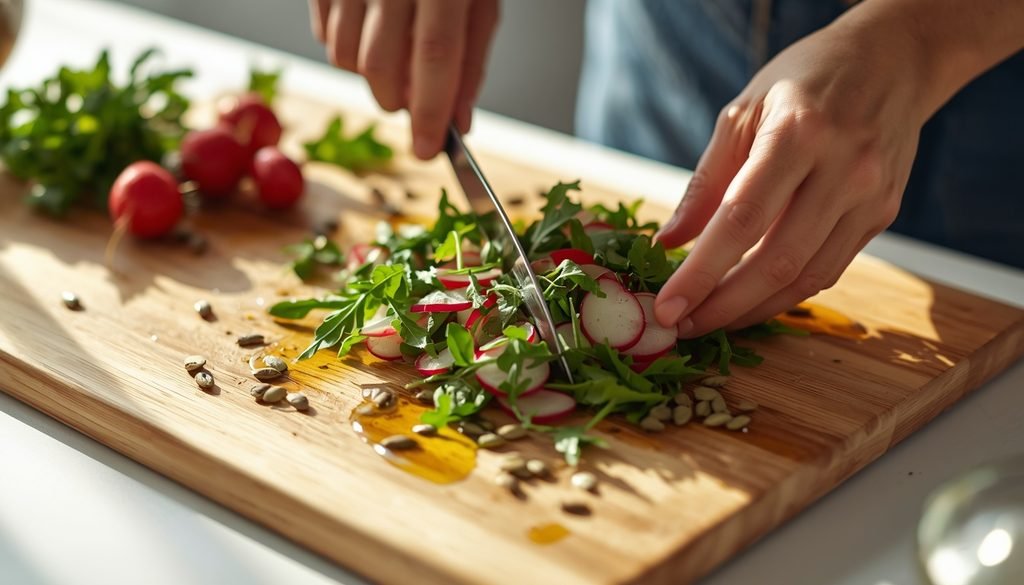
Glutathione rich foods for skin whitening
Let’s immediately address the elephant in the room regarding the search intent for glutathione rich foods for skin whitening. In regenerative biology and clinical dermatology, we aggressively reject the toxic cultural paradigm of “bleaching” or “whitening” the skin. Our goal is not to strip the skin of its natural, protective melanin; our goal is to modulate melanogenesis, resolve hyperpigmentation, and engineer a radiant, even-toned complexion by neutralizing the oxidative stress that drives melanocyte dysfunction.
The Biochemistry of Melanin Modulation
To understand how glutathione alters skin tone, we have to look at the enzyme tyrosinase. Tyrosinase is the master catalyst that converts the amino acid tyrosine into melanin. Under conditions of high oxidative stress, UV exposure, or hormonal fluctuation, tyrosinase goes into overdrive, producing massive amounts of eumelanin (the dark, brown/black pigment).
According to clinical dermatological data on melanogenesis, intracellular glutathione physically alters this pathway in two distinct ways. First, it directly inhibits the activity of tyrosinase. Second, and more profoundly, it shifts the metabolic pathway away from eumelanin and forces the melanocyte to synthesize pheomelanin (the lighter, yellow/red pigment).
Therefore, when the biohacking community talks about “skin whitening,” the biological reality is that they are utilizing high-dose glutathione to force a pheomelanin shift and quiet down hyperactive, inflamed melanocytes. To achieve this systemically, you must flood the body with the specific dietary precursors required to synthesize GSH.
The Dietary Precursors
You cannot eat glutathione directly and expect it to reach your skin. The molecule is rapidly cleaved by digestive enzymes. Instead, you must consume glutathione rich foods that are packed with its rate-limiting precursors and essential cofactors:
- Sulfur-Rich Alliums and Crucifers: Garlic, onions, broccoli, and cauliflower are packed with sulfur-containing compounds (like sulforaphane and allicin) that upregulate the Phase II liver enzymes required to recycle GSH.
- Selenium-Dense Foods: Selenium is the mandatory cofactor for glutathione peroxidase, the enzyme that actually uses GSH to neutralize hydrogen peroxide. Just two Brazil nuts a day provides the exact selenium load required to maximize this enzyme’s activity.
- Alpha-Lipoic Acid (ALA) Sources: Spinach, broccoli, and organ meats contain ALA, a unique antioxidant that can recycle spent glutathione back into its active, reduced state.
Benefits of glutathione for skin
Beyond the modulation of pigmentation, the benefits of glutathione for skin extend deep into the structural architecture of the dermis. Your skin is constantly bombarded by UV radiation, ozone, and particulate matter, all of which generate massive amounts of reactive oxygen species (ROS) that degrade collagen and elastin.
1. Fibroblast Protection and Collagen Preservation
Fibroblasts are the cellular factories that synthesize collagen. When ROS flood the dermis, they trigger the release of matrix metalloproteinases (MMPs)—enzymes that literally chew through your collagen network, leading to sagging and wrinkle formation. Glutathione acts as the primary intracellular shield for fibroblasts. By neutralizing ROS before they can activate the MMP cascade, GSH preserves the structural integrity of the extracellular matrix.
2. The Resolution of Post-Inflammatory Hyperpigmentation (PIH)
When you suffer from acne, eczema, or physical trauma to the skin, the localized inflammation triggers melanocytes to dump pigment, leaving behind dark spots (PIH). Because glutathione powerfully suppresses the NF-kB inflammatory pathway and directly inhibits tyrosinase, it accelerates the clearance of these stubborn hyperpigmented lesions, restoring a uniform, luminous complexion.
3. Synergistic Photobiomodulation
Glutathione does not work in a vacuum. When you pair high intracellular GSH levels with targeted photobiomodulation, the results are exponential. Red and near-infrared light therapy upregulate cellular ATP production and increase local microcirculation, delivering the glutathione and its precursors directly to the dermal layers. For a comprehensive breakdown of how to use light to engineer dermal resilience, read our protocol on Red Light Therapy Benefits: The Cellular Science of Photobiomodulation.
💡 Action Step: Systemic inflammation is the primary driver of glutathione depletion. If you are carrying excess visceral fat, your adipose tissue is actively pumping out the cytokines that force your liver to burn through its GSH reserves. Track your true metabolic risk and visceral fat burden using our Body Fat Calculator to ensure your biological terrain isn’t silently draining your master antioxidant.
How to increase glutathione in body naturally
You cannot simply order your cells to make more glutathione; you must provide the exact biochemical substrates and remove the metabolic roadblocks. Understanding how to increase glutathione in body naturally requires a deep dive into the rate-limiting step of GSH synthesis.
The Cysteine Bottleneck
Glutathione is a tripeptide made of glutamate, cysteine, and glycine. Your body has an abundance of glutamate, but cysteine is notoriously scarce. It is the absolute rate-limiting bottleneck of the entire synthesis pathway. If you do not have enough bioavailable cysteine, GSH production halts, regardless of how much glycine or glutamate is present.
Furthermore, free cysteine is highly unstable and easily oxidizes in the gut and bloodstream. To bypass this, longevity researchers utilize a stabilized precursor called N-Acetyl Cysteine (NAC). NAC survives the harsh environment of the gastrointestinal tract, enters the liver, and is rapidly deacetylated into pure, bioavailable cysteine, flooding the cell with the exact raw material required to build glutathione.
The GlyNAC Breakthrough
For decades, biohackers supplemented with NAC alone, assuming it was the magic bullet. But recent clinical data revealed a secondary bottleneck: as we age, our intracellular pools of glycine also become severely depleted.
According to pioneering clinical trials on aging and mitochondrial dysfunction, supplementing with NAC without adequate glycine yields suboptimal results. The breakthrough protocol is GlyNAC—a combined supplementation of Glycine and N-Acetyl Cysteine. By providing both rate-limiting precursors simultaneously, researchers demonstrated a massive restoration of intracellular glutathione levels, a reversal of mitochondrial dysfunction, and a significant reduction in systemic inflammatory markers in older adults.
Upregulating the Nrf2 Pathway
You can also force your DNA to upregulate the enzymes that synthesize and recycle GSH by activating the Nrf2 pathway. Sulforaphane, derived from the glucoraphanin in broccoli sprouts, is the most potent naturally occurring Nrf2 activator. When sulforaphane enters the cell, it modifies the Keap1 protein, freeing Nrf2 to enter the nucleus and trigger the transcription of glutathione-S-transferase and gamma-glutamylcysteine synthetase. You are essentially turning up the volume on your cell’s internal GSH factory.
Glutathione rich fruits
While animal proteins and cruciferous vegetables provide the heavy sulfur and amino acid loads required for GSH synthesis, specific fruits provide the vital cofactors and secondary antioxidants that protect glutathione from premature oxidation. When building a list of glutathione rich fruits, we are looking for high concentrations of Vitamin C, polyphenols, and specific amino acid profiles.
- Watermelon: Surprisingly, watermelon is one of the highest natural dietary sources of free glutathione. It is also rich in citrulline, which supports nitric oxide production and vascular health.
- Avocado: While technically a fruit, avocados are packed with glutathione precursors, healthy monounsaturated fats (required for cellular membrane integrity), and glutathione-recycling Vitamin E.
- Citrus Fruits (Oranges, Grapefruit, Lemons): Citrus fruits do not contain high levels of GSH itself, but they are loaded with Vitamin C. According to biochemical models of antioxidant recycling, Vitamin C is required to donate an electron to spent glutathione, recycling it back into its active, reduced state. Without adequate Vitamin C, your GSH pools remain oxidized and useless.
- Papaya and Peaches: These fruits contain high levels of glutathione peroxidase cofactors and protective carotenoids that shield the skin from UV-induced lipid peroxidation.
To ensure you are providing the foundational amino acid building blocks that fruits lack, you must hit your daily protein targets. Calculate your exact structural requirements with our Protein Intake Calculator to ensure your body has the raw materials to synthesize both muscle tissue and master antioxidants.
The Supplement Trap: Glutathione Tablets vs. Precursors
If you walk into a standard health food store, you will see rows of glutathione tablets promising to flood your body with the master antioxidant. From a pharmacokinetic standpoint, swallowing a standard, reduced L-glutathione tablet is one of the most expensive ways to create biologically inert urine.
The Gamma-Glutamyl Transferase (GGT) Problem
Glutathione is a peptide. When you swallow it, it enters the stomach and small intestine, where it is immediately confronted by an enzyme called gamma-glutamyl transferase (GGT). GGT is highly concentrated in the brush border of the gut, and its evolutionary job is to cleave peptides into individual amino acids for absorption.
When a standard glutathione tablet hits the gut, GGT shreds the tripeptide into glutamate, cysteine, and glycine. The intact glutathione molecule never reaches your bloodstream, let alone your cells. You are essentially paying a premium for a very expensive, highly degraded protein powder.
Glutathione Supplement: The Bioavailable Alternatives
If you are going to invest in a glutathione supplement, you must bypass the destructive environment of the gut. There are only three clinically validated ways to do this:
- Liposomal Glutathione: This is the gold standard for direct GSH supplementation. The glutathione molecule is encapsulated inside a phospholipid bilayer (usually derived from sunflower lecithin). This lipid bubble protects the peptide from GGT and stomach acid, allowing it to pass through the intestinal wall and fuse directly with cell membranes. According to pharmacokinetic data on liposomal delivery systems, this method significantly enhances the bioavailability and intracellular uptake of the intact molecule.
- S-Acetyl Glutathione: In this formulation, an acetyl group is attached to the sulfur atom of the cysteine residue. This chemical modification protects the molecule from oxidative degradation in the gut and bloodstream. Once inside the cell, intracellular esterases cleave the acetyl group, releasing pure, active glutathione directly into the cytoplasm.
- The Precursor Protocol (GlyNAC): As established, bypassing the GSH molecule entirely and supplying the rate-limiting precursors (N-Acetyl Cysteine and Glycine) is often more effective and cost-efficient than trying to force intact GSH into the cell.
What to avoid when taking glutathione
You can spend hundreds of dollars on liposomal glutathione and GlyNAC, but if your daily lifestyle inputs are actively destroying your GSH pools, you are trying to fill a bathtub with the drain wide open. Understanding what to avoid when taking glutathione is just as critical as the supplementation itself.
1. Acetaminophen (Paracetamol / Tylenol)
This is the ultimate glutathione assassin. Acetaminophen is metabolized in the liver via the cytochrome P450 system, which generates a highly toxic intermediate metabolite called NAPQI. Under normal conditions, your liver uses its glutathione reserves to instantly conjugate and neutralize NAPQI. But if you take high doses of acetaminophen, or take it while fasting or drinking alcohol, your GSH reserves are rapidly exhausted. According to toxicological data on hepatic failure, once glutathione drops below 20% of baseline, NAPQI binds to liver proteins, causing massive, irreversible hepatic necrosis. If you are actively trying to build your GSH pools, avoid acetaminophen entirely.
2. Alcohol and Xenobiotics
Ethanol metabolism generates massive amounts of acetaldehyde and lipid peroxides, both of which require heavy glutathione conjugation for clearance. Furthermore, environmental toxins—such as phthalates in plastics, glyphosate in food, and heavy metals in unfiltered tap water—force the liver into a state of chronic Phase II detoxification, draining GSH reserves. To minimize this toxic burden, you must aggressively filter your municipal water supply. Read our investigation into The ‘Silent’ Cellular Poison Hiding in Everyday Tap Water to learn how to stop heavy metals and “forever chemicals” from hijacking your liver’s detox pathways.
3. Chronic Sleep Deprivation
The synthesis and recycling of glutathione are heavily gated by the circadian clock. The enzymes responsible for GSH production peak during the nocturnal fasting window. If you are chronically sleep-deprived, or if your sleep is fragmented by late-night eating and blue light exposure, you blunt the nocturnal upregulation of the Nrf2 pathway, leaving your cells vulnerable to oxidative damage the following day.
Glutathione side effects
Because glutathione is an endogenous molecule, the glutathione side effects associated with high-quality oral supplementation (like Liposomal GSH or GlyNAC) are remarkably rare and generally mild. However, the pursuit of rapid results has led some individuals down dangerous, unregulated clinical paths.
Oral Supplementation Safety
When taken orally at standard clinical doses (250mg to 1,000mg of liposomal GSH, or 1,000mg to 2,000mg of GlyNAC), side effects are largely limited to mild gastrointestinal friction. Some users report transient bloating, loose stools, or a distinct sulfur-like taste or odor in their sweat and breath. This is simply the body excreting excess sulfur compounds and is entirely benign.
The Methylation Trap: High-dose NAC and glutathione metabolism require the liver to utilize methyl groups to excrete the byproducts. If you take massive doses of GSH precursors without supporting your methylation cycle, you can deplete your systemic SAMe pool, leading to elevated homocysteine and neurological irritability. Always pair high-dose GSH protocols with a methyl donor like TMG (Trimethylglycine) or methylated B-vitamins.
The Danger of Intravenous (IV) Glutathione
The most severe side effects arise from the unregulated med-spa trend of intravenous (IV) glutathione drips, often marketed for rapid “skin whitening” or “hangover cures.” Bypassing the gut and injecting massive, gram-level doses of GSH directly into the bloodstream carries profound risks:
- Thyroid Dysfunction: High-dose IV GSH has been clinically linked to the suppression of thyroid function, leading to iatrogenic hypothyroidism.
- Renal Strain: The rapid clearance of massive GSH loads and their conjugated toxins can overwhelm the kidneys, leading to acute renal stress.
- Stevens-Johnson Syndrome: In rare but documented cases, high-dose IV glutathione has triggered severe, life-threatening cutaneous adverse reactions, including Stevens-Johnson syndrome and toxic epidermal necrolysis.
Clinical Rule: Stick to oral liposomal delivery or the GlyNAC precursor protocol. The risk-to-reward ratio of IV glutathione is biologically unjustifiable.
💡 Action Step: Phase II liver detoxification—the process where glutathione binds to toxins to make them water-soluble for excretion—requires massive amounts of fluid. If you are upregulating your GSH pathways but remain chronically dehydrated, the conjugated toxins will stagnate in the biliary and renal tracts, causing systemic re-toxification. Calculate your exact baseline hydration requirements with our Water Intake Calculator to ensure your drainage pathways are fully primed to flush the cellular debris.
Final Thoughts
Glutathione is not merely an antioxidant; it is the fundamental architect of your cellular resilience. It dictates how well your liver clears the toxic burden of the modern world, how effectively your skin defends against UV-induced degradation, and how efficiently your mitochondria produce energy without poisoning the cell.
But you cannot out-supplement a toxic terrain. Swallowing a generic glutathione tablet while consuming ultra-processed seed oils, drinking unfiltered tap water, and relying on acetaminophen for every headache is a biological contradiction. True mastery of the master antioxidant requires a systems-level approach. You must provide the rate-limiting precursors (GlyNAC), consume the sulfur-rich botanical cofactors, eliminate the xenobiotics that drain your reserves, and respect the circadian rhythms that govern its synthesis. Stop trying to buy your way to cellular defense with cheap, degraded supplements. Engineer the terrain, flood the cell with the right biochemical inputs, and let your biology build the ultimate shield from the inside out.
Frequently Asked Questions (FAQ)
1. How can I increase glutathione in my body naturally?
The most effective way to increase glutathione in body naturally is to provide the body with its rate-limiting precursors: N-Acetyl Cysteine (NAC) and Glycine (the GlyNAC protocol). Additionally, consuming sulfur-rich foods (garlic, onions, cruciferous vegetables), selenium (Brazil nuts), and activating the Nrf2 pathway via sulforaphane (broccoli sprouts) forces the body to upregulate its own endogenous glutathione production.
2. Do standard glutathione tablets actually work?
Standard, reduced L-glutathione tablets are largely ineffective because the digestive enzyme gamma-glutamyl transferase (GGT) rapidly cleaves the peptide into individual amino acids before it can reach the bloodstream. To achieve systemic absorption, you must use Liposomal glutathione, S-Acetyl glutathione, or precursor supplements like GlyNAC.
3. What are the benefits of glutathione for skin?
The benefits of glutathione for skin include the inhibition of the enzyme tyrosinase, which shifts melanin production from dark eumelanin to lighter pheomelanin, resolving hyperpigmentation and evening skin tone. It also protects dermal fibroblasts from UV-induced oxidative stress, preventing the activation of collagen-destroying enzymes (MMPs) and preserving skin elasticity.
4. What should I avoid when taking glutathione supplements?
When evaluating what to avoid when taking glutathione, you must strictly avoid acetaminophen (Tylenol/Paracetamol) and excessive alcohol, as both rapidly deplete hepatic glutathione reserves to clear toxic metabolites. Additionally, avoid high-dose NAC or glutathione without supporting your methylation cycle with methyl donors like TMG, to prevent the depletion of systemic SAMe and elevated homocysteine.
5. Are there side effects to taking glutathione?
Oral liposomal glutathione and GlyNAC are highly safe, with glutathione side effects generally limited to mild gastrointestinal discomfort or a transient sulfur odor in sweat. However, high-dose intravenous (IV) glutathione carries severe risks, including thyroid suppression, renal strain, and rare but life-threatening cutaneous reactions like Stevens-Johnson syndrome.
⚕️ Editorial & Medical Disclaimer
Julian Vance is not a licensed physician or medical professional. All content published on RegenStep.com is thoroughly reviewed against cited primary sources and peer-reviewed literature for educational and informational purposes only. It does not constitute medical advice, diagnosis, or treatment. Always consult a qualified healthcare provider or doctor regarding any personal health condition or medical decisions, particularly before initiating high-dose antioxidant protocols, altering your supplementation, or if you have a history of hepatic, renal, or thyroid dysfunction.
#Glutathione #Detox #CellularHealth

Julian Vance is the writer and editor behind RegenStep, translating peer-reviewed longevity, metabolic, and gut-health research into practical, actionable guides. Julian is not a licensed physician; content is reviewed against cited primary sources and is for informational purposes only. Always consult a qualified healthcare provider for personal medical advice.