
For the last two decades, the probiotic industry has been obsessed with a single, largely meaningless metric: the CFU count. We have been conditioned to believe that swallowing a capsule with 50 billion colony-forming units of Lactobacillus and Bifidobacterium is the pinnacle of gut health. But as a strategist focused on regenerative biology and the “Food as Information” movement, I look at the clinical data and see a profound biological mismatch.
The traditional probiotics found on grocery store shelves are largely transient tourists. They pass through the gastrointestinal tract, offer a mild, temporary benefit, and are excreted within days. They rarely engraft. They rarely colonize. And most importantly, they are not the keystone species that actually dictate your metabolic flexibility, your immune tolerance, and your neurochemistry.
We are now witnessing a paradigm shift from “probiotics” (dietary supplements) to Next-Gen Probiotics and Live Biotherapeutic Products (LBPs). This is not about adding more bugs to the pile; it is about rewilding the internal ecosystem with the specific, oxygen-sensitive, anaerobic architects that have been eradicated by the modern industrial diet. Let’s dismantle the marketing hype and look strictly at the molecular reality of the next frontier in microbial medicine.
Next-Generation Probiotics: The Spectrum from Probiotics to Live Biotherapeutics
To understand where we are going, we must define the regulatory and biological chasm between a standard supplement and a therapeutic agent. The term Next-generation probiotics: the spectrum from probiotics to live biotherapeutics refers to the evolution of microbial interventions from general wellness support to targeted, clinically validated medical therapies.
The Traditional Paradigm (GRAS Status)
Traditional probiotics (Lactobacillus, Bifidobacterium, Saccharomyces boulardii) are generally recognized as safe (GRAS) by regulatory bodies like the FDA. They are easy to culture, easy to freeze-dry, and survive the harsh acidity of the stomach. However, they are not the dominant players in a healthy adult colon. They are the “weeds” of the microbial world—hardy, fast-growing, and ubiquitous, but not the structural foundation of the forest.
The Next-Gen Frontier (Live Biotherapeutic Products)
Next-Gen Probiotics are strictly anaerobic bacteria that reside deep in the colon and the mucus layer. They are incredibly difficult to culture because they die upon contact with oxygen. They include keystone species like Akkermansia muciniphila, Faecalibacterium prausnitzii, and Eubacterium hallii.
Because these organisms have a direct, measurable impact on disease pathology (reversing insulin resistance, sealing the gut barrier, modulating neuroinflammation), regulatory agencies are beginning to classify them not as food supplements, but as Live Biotherapeutic Products (LBPs). This distinction is critical. An LBP is a biological drug. It requires rigorous Phase I, II, and III clinical trials to prove it can treat or prevent a specific disease, much like a pharmaceutical, but utilizing a living organism as the active ingredient.
Next Generation Probiotics for Human Health: An Emerging Perspective
The next generation probiotics for human health an emerging perspective is rooted in the “Missing Microbes” hypothesis. Modern sanitation, C-section births, formula feeding, and the ubiquitous use of broad-spectrum antibiotics have eradicated specific bacterial lineages that co-evolved with humans for millennia. We aren’t just “imbalanced”; we are ecologically extinct in specific sectors.
1. Akkermansia Muciniphila: The Mucus Guardian
Akkermansia is the undisputed king of the next-gen landscape. It resides exclusively in the inner mucus layer of the gut lining. Unlike other bacteria that feast on dietary fiber, Akkermansia feeds on mucin—the glycoproteins your own body secretes to protect the intestinal wall.
This sounds counterintuitive—bacteria eating your gut lining? But this relationship is symbiotic. By grazing on the mucus, Akkermansia stimulates the goblet cells to produce more mucus, thickening the barrier and preventing “leaky gut.” Furthermore, Akkermansia produces short-chain fatty acids (acetate and propionate) and a specific protein (Amuc_1100) that interacts with Toll-like receptor 2 (TLR2) on the intestinal epithelium, strengthening tight junctions and reducing systemic inflammation.
Low levels of Akkermansia are universally correlated with obesity, type 2 diabetes, and inflammatory bowel disease. It is the biological marker of a lean, metabolically flexible phenotype.
2. Faecalibacterium prausnitzii: The Butyrate Factory
If Akkermansia is the guardian of the wall, F. prausnitzii is the fuel supplier. It is one of the most abundant bacteria in a healthy gut (up to 5-15% of the total microbiome) and is the primary producer of butyrate.
Butyrate is the preferred fuel source for colonocytes (the cells lining the colon). Without it, these cells starve, become inflamed, and undergo apoptosis, leading to barrier breakdown. Butyrate also acts as a potent histone deacetylase (HDAC) inhibitor, meaning it enters the cell nucleus and directly alters gene expression to suppress NF-kB (the master inflammatory switch). F. prausnitzii is consistently depleted in patients with Crohn’s disease, colorectal cancer, and severe depression.
3. Christensenella minuta: The Lean Phenotype
A newer entrant to the next-gen stage, Christensenella is highly heritable and strongly associated with a lean body mass. Transplanting this specific bacterium into obese mice prevents weight gain, suggesting it plays a direct role in regulating energy harvest and adiposity.
Next-Generation Probiotics: From Traditional Strains to Personalized Therapeutics
The era of “one-size-fits-all” probiotics is ending. The next-generation probiotics: from traditional strains to personalized therapeutics movement recognizes that your microbiome is as unique as your fingerprint. A strain that resolves bloating in one individual might trigger histamine intolerance or brain fog in another.
The Metabolomic Match
Future therapies will not be based on species names alone, but on functional output. We are moving toward metabolomic profiling, where we analyze the actual metabolites (short-chain fatty acids, bile acids, neurotransmitters) your microbiome is producing.
- If you are low in butyrate, you don’t just need a “probiotic”; you need a specific consortium of butyrate-producing clostridial clusters (Roseburia, Eubacterium, F. prausnitzii).
- If you suffer from histamine intolerance, you must avoid Lactobacillus casei or bulgaricus (which produce histamine) and instead utilize histamine-degrading strains like Bifidobacterium infantis or Lactobacillus plantarum.
The Engraftment Challenge
The holy grail of personalized therapeutics is engraftment—the ability of an introduced strain to permanently colonize the gut. Traditional probiotics fail here because the native ecosystem resists invasion (colonization resistance). Next-gen therapeutics often require “ecosystem priming.” You cannot just plant the seed; you must prepare the soil. This involves using specific prebiotics (like human milk oligosaccharides or specific polyphenols) to create a niche that only the target next-gen bacteria can occupy.
💡 Action Step: Next-gen bacteria thrive in a low-inflammation environment. Visceral fat pumps out the cytokines that suppress Akkermansia and F. prausnitzii. Track your true metabolic risk and visceral adiposity using our Advanced BMI Calculator and our Body Fat Calculator to ensure your biological terrain is primed for microbial engraftment.
Probiotics Supplements: The Oxygen Problem
When you walk down the supplement aisle, you are looking at probiotics supplements that are largely First-Generation. Why? Because Next-Gen bacteria are strictly anaerobic. They die within seconds of exposure to oxygen.
The Manufacturing Bottleneck
Culturing Akkermansia or F. prausnitzii requires massive, expensive anaerobic bioreactors. Harvesting, freeze-drying (lyophilizing), and encapsulating them without exposing them to oxygen is a logistical nightmare that only a handful of biotech firms have solved.
If you see a generic “50 Billion CFU” bottle on a shelf that claims to contain Akkermansia, be highly skeptical. Unless it utilizes advanced microencapsulation technology or is sold as a refrigerated, oxygen-impermeable liquid, the bacteria are likely dead on arrival.
The Pasteurized Paradox
Interestingly, some of the most compelling clinical data on Akkermansia comes from pasteurized (dead) cells. Research has shown that the outer membrane protein (Amuc_1100) remains stable even after pasteurization and retains its ability to strengthen the gut barrier and improve insulin sensitivity. This has opened the door for shelf-stable “postbiotic” supplements that deliver the benefits of next-gen bacteria without the viability issues.
Natural Probiotics: Feeding the Keystone Species
If you cannot buy them in a pill, you must build them in the gut. Natural probiotics in the context of next-gen species doesn’t mean eating yogurt (which contains Lactobacillus, not Akkermansia). It means consuming the specific Prebiotic Polyphenols that act as fertilizer for these keystone organisms.
The Polyphenol Connection
Next-gen bacteria, particularly Akkermansia, thrive on polyphenols—the bitter, astringent compounds found in plants. These compounds are largely indigestible by human enzymes, so they travel to the colon where they are metabolized by specific bacteria.
- Pomegranate and Cranberry: Rich in ellagitannins and proanthocyanidins, these are potent Akkermansia boosters.
- Green Tea (EGCG): Catechins have been shown to increase the abundance of Akkermansia and F. prausnitzii.
- Dark Cacao: The flavanols in high-percentage dark chocolate feed the anti-inflammatory clostridial clusters.
- Resistant Starch: Cooked and cooled potatoes, green bananas, and legumes provide the fermentable substrate required for butyrate production.
By shifting your diet to include these “next-gen fertilizers,” you create a selective pressure that allows these keystone species to outcompete the pathogenic weeds.
Garden of Life Probiotics: The Commercial Standard vs. The Next-Gen Frontier
It is impossible to discuss this topic without addressing the market leaders. Garden of Life Probiotics (and similar high-end, multi-strain brands) represent the gold standard of the First-Generation paradigm. They offer high diversity (30+ strains), high CFU counts (50-100 Billion), and soil-based organisms (Bacillus species).
The Value of the “Shotgun” Approach
There is undeniable value in the Garden of Life approach. For general immune support, post-antibiotic recovery, and maintaining microbial diversity, these broad-spectrum blends are excellent tools. The inclusion of Bacillus coagulans and subtilis (spore-based) provides a rugged, transient signal that modulates the immune system.
The Limitation: Missing the Architects
However, the limitation of the “Garden of Life” model is that it relies on the “more is better” fallacy. Flooding the gut with 100 billion transient Lactobacilli does not necessarily restore the missing Akkermansia or F. prausnitzii. It’s like hiring 100 painters to fix a house that needs a structural engineer.
The Next-Gen Pivot: The future isn’t about replacing high-quality multi-strain blends; it’s about stacking them. Use a high-quality, diverse blend (like the Garden of Life standard) to maintain the “underbrush” of the ecosystem, while utilizing targeted Next-Gen interventions (like pasteurized Akkermansia or specific polyphenol protocols) to rebuild the structural “trees” of the forest.
Probiotic Drink: The Liquid Delivery System
The probiotic drink category is evolving from sugary “wellness shots” to serious therapeutic delivery systems. Liquid formats offer distinct advantages for next-gen organisms, particularly when stabilized in anaerobic, oil-based suspensions or fermented matrices.
Kefir and Kvass: The Ancestral LBPs
Traditional, wild-fermented kefirs (made from grains, not powder) are essentially natural Live Biotherapeutic Products. They contain dozens of strains of bacteria and yeast that form a symbiotic matrix (SCOBY), protecting them from stomach acid. Studies have shown that the microbial diversity in wild kefir far exceeds that of any commercial capsule.
The Future: Microencapsulated Liquids
Biotech firms are now developing liquid suspensions where next-gen anaerobes are encapsulated in lipid droplets, shielding them from oxygen and gastric acid until they reach the colon. This allows for higher viability and faster onset of action than dry capsules.
💡 Action Step: Fermented drinks can be high in histamine or sugar. If you are utilizing liquid probiotics to heal the gut lining, ensure you are providing the structural amino acids (glycine, proline) required to repair the tissue. Calculate your exact daily protein requirements with our Protein Intake Calculator to support the rapid turnover of the intestinal epithelium.
Next-Generation Probiotics and Chronic Diseases: A Review of Current Research and Future Directions
The clinical potential of next-generation probiotics and chronic diseases: a review of current research and future directions is staggering. We are moving from “gut health” to “systemic medicine.”
1. Metabolic Syndrome and Obesity
Akkermansia supplementation has been shown to improve insulin sensitivity and reduce visceral fat mass in human trials. The mechanism involves the upregulation of GLP-1 (the same hormone targeted by Ozempic/Wegovy) and the strengthening of the gut barrier, which prevents metabolic endotoxemia (LPS leakage).
2. Neuroinflammation and Psychobiotics
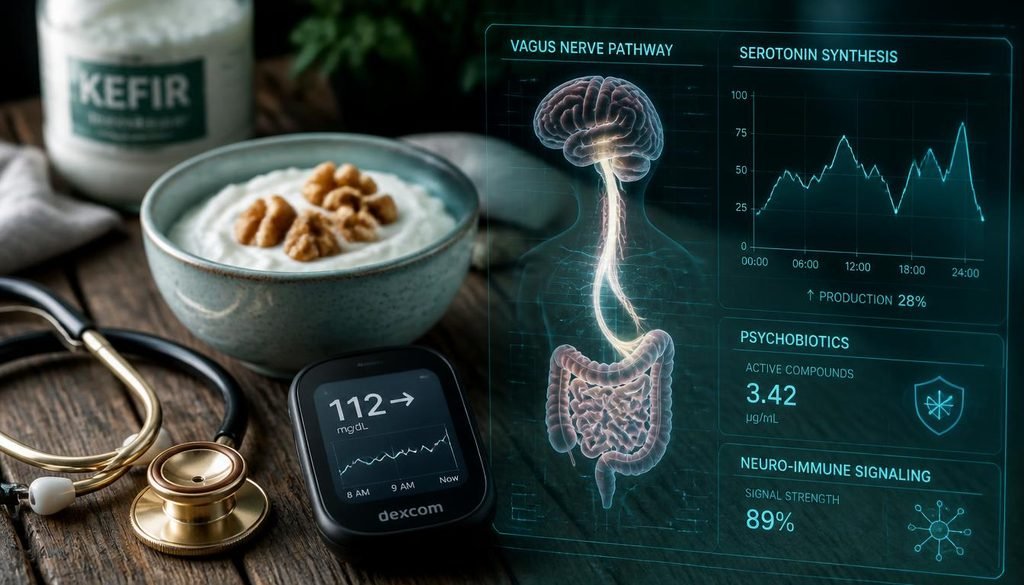
The gut-brain axis is mediated by the vagus nerve and microbial metabolites. Next-gen “psychobiotics” (strains like Bifidobacterium longum 1714 and specific Lactobacillus strains) are being investigated for their ability to lower cortisol, reduce anxiety, and improve cognitive function by modulating GABA and serotonin synthesis in the enteric nervous system.
3. Cancer Immunotherapy Response
Perhaps the most groundbreaking research is in oncology. The efficacy of immune checkpoint inhibitors (drugs that unleash the immune system to fight cancer) is heavily dependent on the gut microbiome. Patients with high levels of Akkermansia and F. prausnitzii respond significantly better to immunotherapy than those with dysbiotic microbiomes. Fecal microbiota transplantation (FMT) from responders to non-responders has been shown to restore drug sensitivity, proving that the microbiome is a modifiable variable in cancer survival.
The Protocol: Engineering the Next-Gen Ecosystem
To transition from a passive consumer of probiotics to an active engineer of your microbiome, implement this 3-phase protocol.
Phase 1: The Clear (Days 1-14)
You cannot plant a garden in toxic soil. If you have SIBO (Small Intestinal Bacterial Overgrowth) or severe dysbiosis, introducing prebiotics or next-gen bacteria can cause massive bloating and inflammation.
- Action: Utilize a low-FODMAP or specific carbohydrate diet to starve the overgrowth. Consider natural antimicrobials (oregano oil, berberine) if indicated. (See our guide on SIBO Natural Treatment).
Phase 2: The Prime (Days 15-30)
Prepare the mucosal niche for the keystone species.
- Action: Introduce Polyphenol Prebiotics. Consume 1 cup of wild blueberries, 1 oz of dark cacao, or pomegranate extract daily. These compounds specifically upregulate the growth of Akkermansia.
- Action: Introduce Human Milk Oligosaccharides (HMOs) like 2′-FL. These are specific sugars that feed Bifidobacterium and Akkermansia without feeding pathogenic bacteria.
Phase 3: The Seed (Day 30+)
Introduce the biological inputs.
- Action: If available and legal in your region, utilize pasteurized Akkermansia muciniphila supplements.
- Action: Incorporate spore-based probiotics (Bacillus strains) to modulate the immune system and increase microbial diversity.
- Action: Consume wild-fermented kefirs or kvasses 2-3 times a week to introduce a broad spectrum of environmental strains.
Final Thoughts
The era of blindly swallowing billions of generic bacteria is over. Next-Gen Probiotics represent a fundamental shift in how we view the human body—not as a solitary organism, but as a holobiont, a complex superorganism reliant on a specific, fragile ecosystem of microbial partners.
By understanding the distinction between transient tourists and keystone architects, and by utilizing specific polyphenols and targeted LBPs to rewild your internal terrain, you move beyond symptom management and into the realm of true biological regeneration. The future of medicine is not just in the pharmacy; it is in the soil, the plants, and the ancient microbial partners we have neglected for too long. It is time to bring them back.
Frequently Asked Questions (FAQ)
1. What are next-generation probiotics?
Next-generation probiotics are newly identified, strictly anaerobic bacterial strains (such as Akkermansia muciniphila and Faecalibacterium prausnitzii) that reside in the gut mucus layer and play a critical role in metabolic health and barrier integrity. Unlike traditional Lactobacillus strains, they are often classified as Live Biotherapeutic Products (LBPs) due to their potent disease-modifying effects.
2. Why is Akkermansia muciniphila important for weight loss?
Akkermansia muciniphila strengthens the gut mucus barrier, preventing metabolic endotoxemia (leaky gut), which is a primary driver of inflammation and insulin resistance. It also stimulates the release of GLP-1, a hormone that regulates satiety and blood sugar, making it a key biomarker for a lean, metabolically flexible phenotype.
3. Can I get next-gen probiotics from food?
You cannot ingest Akkermansia directly from food, but you can feed it to make it grow. Next-gen species thrive on specific polyphenols found in pomegranate, cranberries, green tea, and dark cacao, as well as Human Milk Oligosaccharides (HMOs) and resistant starches.
4. How do next-gen probiotics differ from Garden of Life or traditional brands?
Traditional brands like Garden of Life focus on high counts of Lactobacillus and Bifidobacterium, which are transient and largely occupy the small intestine. Next-gen probiotics focus on low-oxygen, anaerobic keystone species that colonize the deep colon and mucus layer, driving systemic metabolic and immune changes rather than just transient digestive support.
5. What is a Live Biotherapeutic Product (LBP)?
A Live Biotherapeutic Product (LBP) is a regulatory classification for a biological drug that contains live microorganisms. Unlike dietary supplements, LBPs must undergo rigorous clinical trials to prove they can prevent, treat, or cure a specific disease or condition, such as inflammatory bowel disease or metabolic syndrome.
⚕️ Editorial & Medical Disclaimer
Julian Vance is not a licensed physician or medical professional. All content published on RegenStep.com is thoroughly reviewed against cited primary sources and peer-reviewed literature for educational and informational purposes only. It does not constitute medical advice, diagnosis, or treatment. Always consult a qualified healthcare provider or doctor regarding any personal health condition or medical decisions, particularly before introducing new biological therapeutics, altering your microbiome, or if you have a history of SIBO, IBD, or severe immune compromise.

Julian Vance is the writer and editor behind RegenStep, translating peer-reviewed longevity, metabolic, and gut-health research into practical, actionable guides. Julian is not a licensed physician; content is reviewed against cited primary sources and is for informational purposes only. Always consult a qualified healthcare provider for personal medical advice.