
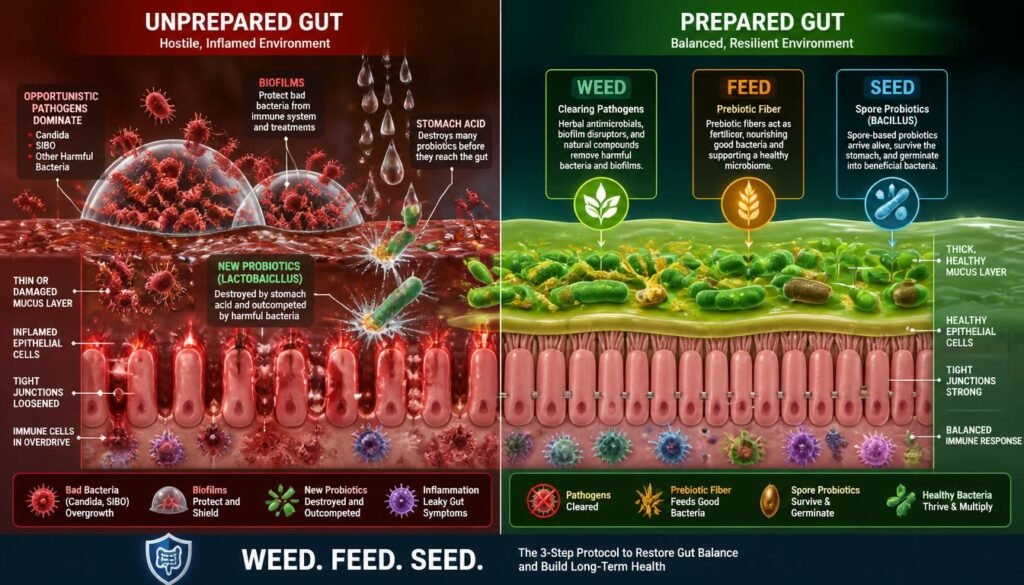
While the primary focus of this article is on optimizing your probiotic protocol for gut health, it would be remiss not to address the powerful connection between your microbiome and cancer prevention. The gut microbiome plays a dual role in cancer—it can act as both a tumor-promoting mechanism and a tumor-suppressive mechanism, influencing cancer initiation and progression. When your gut is inflamed, overrun with pathogens, or lacking in beneficial bacteria, you are not just dealing with bloating and brain fog—you are potentially creating an environment where cancer cells can thrive.
Here is what the latest 2025-2026 research reveals about the gut-cancer connection and the supplements and treatments that are making headlines.
Cancer risk climbs partly because immune surveillance fades. Read how to slow the aging of your immune system.
What Is the New Drug That Kills Cancer Cells?
The past year has seen several breakthrough cancer drugs emerge from clinical trials, each with a unique mechanism of action:
| Drug | Mechanism | Key Finding |
|---|---|---|
| LiPyDau | Irreversibly links the two strands of DNA in cancer cells, causing damage that tumor cells can no longer repair | Shows promising activity against multi-drug resistant tumor cells |
| FY26 | Forces cancer cells to use their mitochondria to generate energy | 49 times more potent than the clinically used treatment Cisplatin |
| Gamitrinib | First‑in‑class therapy engineered to act inside cancer cell mitochondria, disrupting key survival functions tumors use to grow and resist treatment | Currently in first‑in‑human studies at Fox Chase Cancer Center |
| Setidegrasib | Targets the KRAS G12D gene mutation, which causes cancer cells to grow out of control | Shows promise in lung and pancreatic cancers |
| Adapalene | Inhibits CD44, a cancer stem cell biomarker in triple negative breast cancer | Selectively kills TNBC cells rather than non-TNBC cells |
These breakthroughs represent a fundamental shift in cancer treatment—moving from broadly toxic chemotherapy to precisely targeted therapies that exploit the unique vulnerabilities of cancer cells.
What Two Treatments Destroy Cancer Cells?
Combination therapies are increasingly recognized as the most effective strategy for attacking cancer from multiple angles. Rather than using a single drug, researchers are developing “one-two punch” approaches:
1. Senescence Induction + Senolytic Clearance
Researchers have identified a new therapeutic strategy that combines drugs to induce senescence in tumor cells and then specifically eliminate them with senolytic agents. This two-step approach first forces cancer cells into a dormant, aged state, then clears them out before they can become problematic.
2. Dual-Targeting Apoptosis Modulation
Combination therapies that target multiple apoptotic pathways can effectively suppress compensatory upregulation of alternative anti-apoptotic proteins, overcoming drug resistance in apoptosis-deficient cancer subtypes. This means attacking cancer cells through multiple pathways simultaneously, making it harder for them to develop resistance.
3. Mayo Clinic Nanotherapy
Mayo Clinic researchers developed an experimental nanotherapy that delivers two cancer drugs directly to brain tumors. The drug combination includes agents that interfere with tumor growth pathways and disrupt the cancer’s ability to repair DNA damage, making tumors more sensitive to radiation.
4. Hyperactivation Strategy
A combination of two drugs was found to suppress tumors in a non-conventional manner: instead of inhibiting tumor cell division (as most medications do), the strategy consisted of hyperactivating oncogenic signaling in cancer cells to the point where they became stressed and died.
What Supplement Has Been Linked to Cancer?
While many supplements are promoted for their health benefits, some have been linked to increased cancer risk under certain conditions:
| Supplement | Risk | Context |
|---|---|---|
| Folic Acid | May promote cancer in established neoplastic foci | While dietary folate may be protective against colorectal cancer, folic acid supplements may inhibit colorectal carcinogenesis in normal tissues while promoting cancer in established neoplastic foci |
| Vitamin E | 17% increased risk of prostate cancer | The Selenium and Vitamin E Cancer Prevention Trial found no effect of selenium supplementation on prostate cancer risk but a 17% increased risk from vitamin E supplementation |
| Taurine | May fuel leukemia progression | A May 2025 study found that taurine may fuel the progression of leukemia |
These findings underscore a critical principle: more is not always better when it comes to supplements. High-dose, isolated supplements can sometimes have unintended consequences, particularly in individuals with pre-existing conditions or genetic predispositions.
What Cheap Vitamin Could Prevent the Most Frequently Diagnosed Cancer?
Nicotinamide (Vitamin B3) has emerged as a promising, cost-effective supplement for preventing the most frequently diagnosed cancer: skin cancer (keratinocyte carcinoma).
| Study Finding | Details |
|---|---|
| Cost-effective prevention | Oral nicotinamide shows promise as a cost-effective and patient-centered supplement for reducing keratinocyte carcinoma burden in individuals with a history of skin cancer |
| Significant risk reduction | Studies show nicotinamide can reduce the risk of new skin cancers by 14% and up to 54% after first diagnosis with continued prevention and regular screening |
| Mechanism | Nicotinamide has been shown to reduce new keratinocyte carcinomas among high-risk patients |
Nicotinamide is a form of vitamin B3 that is inexpensive, widely available, and well-tolerated. For individuals with a history of skin cancer, it represents a simple, accessible preventive measure.
What This Means for Your Gut Health Protocol
The connection between your gut microbiome and cancer risk is becoming increasingly clear. Dysbiosis of the gut microbiome is involved in the entire process of cancer initiation, development, and prognosis by influencing the host immune system and metabolism.
Key takeaways for your gut health protocol:
- Probiotics have anti-cancer potential: Probiotics have been shown to modulate the gut microbiome and have a substantial impact on cancers, including esophageal, lung, liver, and colorectal cancer. They can induce apoptosis (programmed cell death), induce autophagy, reduce mutagenic activity, and reduce the expression of oncogenes.
- Butyrate is a cancer-fighting molecule: Short-chain fatty acids (SCFAs), particularly butyrate, have demonstrated anti-inflammatory and anti-cancer effects in colorectal cancer. This is exactly the molecule your gut produces when you properly feed your beneficial bacteria with prebiotic fiber.
- Microbiome modulation is a promising cancer prevention strategy: Microbiome modulation through probiotics, prebiotics, and dietary interventions represents a promising approach for cancer prevention and treatment.
- The “Weed, Feed, Seed” protocol supports cancer prevention: By clearing pathogens, feeding beneficial bacteria, and introducing targeted probiotics, you are not just improving digestion—you are potentially reducing your cancer risk.
Updated Gut Health Protocol with Cancer Prevention in Mind
| Phase | Action | Cancer Prevention Benefit |
|---|---|---|
| WEED | Clear pathogens and biofilms; remove refined sugars | Reduces inflammation and pathogenic bacterial load |
| FEED | Introduce prebiotic fibers (PHGG, acacia fiber) | Produces butyrate—anti-inflammatory and anti-cancer effects |
| SEED | Introduce spore-based probiotics (Bacillus strains) | Modulates gut microbiome; induces apoptosis; reduces mutagenic activity |
Summary: The Gut-Cancer Connection
| Question | Answer |
|---|---|
| What is the new drug that kills cancer cells? | LiPyDau (DNA linking), FY26 (49x more potent than Cisplatin), Gamitrinib (mitochondrial targeting), Setidegrasib (KRAS G12D targeting) |
| What two treatments destroy cancer cells? | Senescence induction + senolytic clearance; dual-targeting apoptosis modulation; nanotherapy with two drugs; hyperactivation strategy |
| What supplement has been linked to cancer? | Folic acid (may promote established cancers), Vitamin E (17% increased prostate cancer risk), Taurine (may fuel leukemia) |
| What cheap vitamin could prevent the most frequently diagnosed cancer? | Nicotinamide (Vitamin B3) – reduces skin cancer risk by 14‑54% |
This article is for educational purposes and does not constitute medical advice. If you have concerns about cancer risk, supplement use, or gut health, consult a qualified healthcare provider.
What Is the New Drug That Kills Cancer Cells?
The past year has seen several breakthrough cancer drugs emerge from clinical trials, each with a unique mechanism of action: These breakthroughs represent a fundamental shift in cancer treatment—moving from broadly toxic chemotherapy to precisely targeted therapies that exploit the unique vulnerabilities of cancer cells.
What Two Treatments Destroy Cancer Cells?
Combination therapies are increasingly recognized as the most effective strategy for attacking cancer from multiple angles. Rather than using a single drug, researchers are developing “one-two punch” approaches: 1. Senescence Induction + Senolytic Clearance Researchers have identified a new therapeutic strategy that combines drugs to induce senescence in tumor cells and then specifically eliminate them with senolytic agents. This two-step approach first forces cancer cells into a dormant, aged state, then clears them out before they can become problematic. 2. Dual-Targeting Apoptosis Modulation Combination therapies that target multiple apoptotic pathways can effectively suppress compensatory upregulation of alternative anti-apoptotic proteins, overcoming drug resistance in apoptosis-deficient cancer subtypes. This means attacking cancer cells through multiple pathways simultaneously, making it harder for them to develop resistance. 3. Mayo Clinic Nanotherapy Mayo Clinic researchers developed an experimental nanotherapy that delivers two cancer drugs directly to brain tumors. The drug combination includes agents that interfere with tumor growth pathways and disrupt the cancer’s ability to repair DNA damage, making tumors more sensitive to radiation. 4. Hyperactivation Strategy A combination of two drugs was found to suppress tumors in a non-conventional manner: instead of inhibiting tumor cell division (as most medications do), the strategy consisted of hyperactivating oncogenic signaling in cancer cells to the point where they became stressed and died.
What Supplement Has Been Linked to Cancer?
While many supplements are promoted for their health benefits, some have been linked to increased cancer risk under certain conditions: These findings underscore a critical principle: more is not always better when it comes to supplements. High-dose, isolated supplements can sometimes have unintended consequences, particularly in individuals with pre-existing conditions or genetic predispositions.
What Cheap Vitamin Could Prevent the Most Frequently Diagnosed Cancer?
Nicotinamide (Vitamin B3) has emerged as a promising, cost-effective supplement for preventing the most frequently diagnosed cancer: skin cancer (keratinocyte carcinoma). Nicotinamide is a form of vitamin B3 that is inexpensive, widely available, and well-tolerated. For individuals with a history of skin cancer, it represents a simple, accessible preventive measure.

Julian Vance is the writer and editor behind RegenStep, translating peer-reviewed longevity, metabolic, and gut-health research into practical, actionable guides. Julian is not a licensed physician; content is reviewed against cited primary sources and is for informational purposes only. Always consult a qualified healthcare provider for personal medical advice.