
We spend an inordinate amount of time optimizing our cardiovascular system. We track our heart rate variability, we monitor our blood pressure, and we engage in Zone 2 cardio to strengthen the heart. But we largely ignore the body’s second, equally critical circulatory network: the lymphatic system.
Here is the fundamental biomechanical flaw of human anatomy: the cardiovascular system has a central pump (the heart) to force fluid through its vessels. The lymphatic system has no pump. It is a vast, one-way drainage network responsible for clearing interstitial fluid, transporting dietary lipids, and trafficking immune cells, yet it relies entirely on passive mechanical forces to move its payload. When those mechanical forces fail, the system stalls. Fluid pools in the tissues, cellular debris accumulates, and the immune system loses its surveillance capacity.
The wellness industry has hijacked the concept of “lymphatic detox,” marketing it as a mystical cure-all. But as a strategist focused on systems biology, I view the lymphatic system through the strict lens of fluid dynamics and immunology. Lymphatic drainage massage benefits are not about “squeezing out toxins” like a sponge; they are about manually manipulating the delicate biomechanics of the lymphangion to restore interstitial homeostasis. Let’s decode the biophysics of this un-pumped highway, map the specific benefits for different anatomical regions, and outline the precise protocols required to keep your biological drainage system wide open.
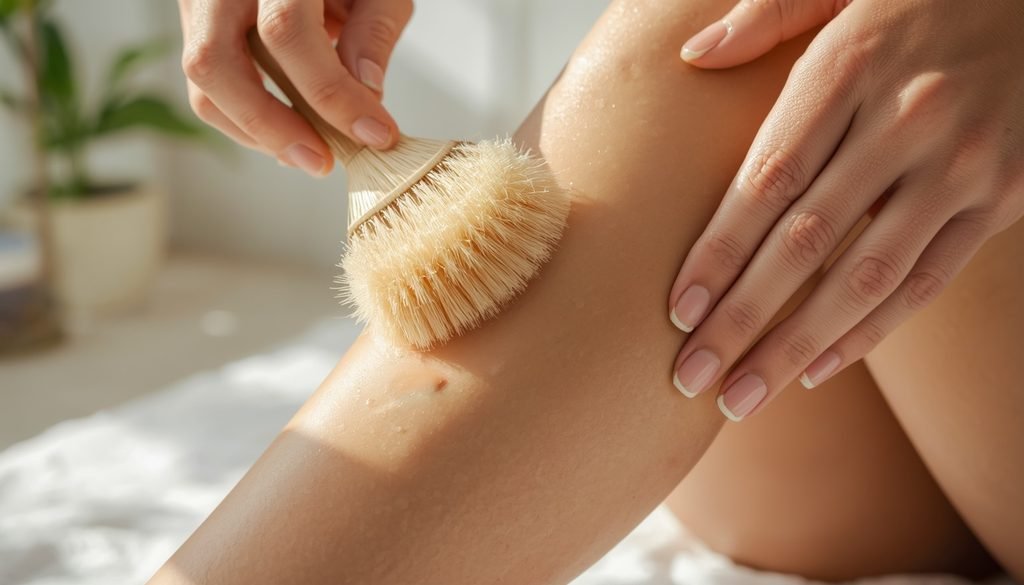
Lymphatic drainage massage benefits stomach
The abdominal cavity houses the most dense and complex lymphatic network in the human body, primarily centered around the gut-associated lymphoid tissue (GALT) and the mesenteric lymph nodes. When evaluating lymphatic drainage massage benefits stomach, we are looking at the intersection of digestion, immune tolerance, and visceral fluid dynamics.
The Lacteals and Lipid Transport
Unlike carbohydrates and proteins, which are absorbed directly into the portal bloodstream, dietary fats and fat-soluble vitamins are too large to enter the capillaries. Instead, they are packaged into chylomicrons and absorbed by specialized lymphatic capillaries in the intestinal villi called lacteals. According to foundational gastroenterological research on intestinal lymphatics, the mesenteric lymphatic system is the exclusive highway for dietary lipid transport.
When the gut is inflamed—due to dysbiosis, food sensitivities, or small intestinal bacterial overgrowth (SIBO)—the intestinal mucosa swells, compressing these delicate lacteals. This creates a bottleneck, leading to visceral edema, severe post-prandial bloating, and impaired nutrient absorption. Gentle, rhythmic manual drainage over the abdomen reduces this interstitial pressure, decompressing the lacteals and restoring the flow of chyle (lipid-rich lymph) toward the thoracic duct. To address the root microbial causes of this gut inflammation, review our clinical protocol on SIBO Natural Treatment and Herbal Eradication.
Visceral Edema and the “Food Coma”
Have you ever experienced profound lethargy and physical heaviness after a massive, carbohydrate- and sodium-heavy meal? This is not just a blood sugar crash; it is acute visceral lymphatic stagnation. The massive osmotic load pulls water into the interstitial space of the gut, overwhelming the local lymphatic capillaries. Abdominal lymphatic massage accelerates the clearance of this excess fluid, reducing the physical distension of the bowel and alleviating the mechanical pressure on the diaphragm, which in turn improves respiratory depth and oxygenation.
Lymphatic drainage benefits
To understand the systemic lymphatic drainage benefits, we must look at the microscopic architecture of the lymphatic capillary. Unlike blood capillaries, which have a continuous basement membrane, initial lymphatic capillaries are open-ended, overlapping oak-leaf-shaped endothelial cells.
These cells are tethered to the surrounding extracellular matrix by microscopic anchoring filaments. When interstitial fluid accumulates and tissue swells, the anchoring filaments are pulled taut, physically yanking the overlapping endothelial cells open. This allows large macromolecules, cellular debris, and immune complexes to enter the lymphatic vessel.
The Lymphangion Pump
Once inside, the fluid is moved forward by the lymphangion—the functional unit of the lymphatic vessel, bounded by one-way valves. The lymphangion possesses its own intrinsic smooth muscle that rhythmically contracts to push the fluid upward. According to biomechanical models of lymphatic pumping, manual lymphatic drainage (MLD) applies a specific, light stretching force to the skin that artificially pulls the anchoring filaments, increasing the opening of the primary valves and accelerating the contraction frequency of the lymphangion.
The systemic benefits are profound:
- Macromolecule Clearance: Proteins that leak out of blood capillaries cannot be reabsorbed by them; they must be cleared by the lymphatics. If this fails, the proteins attract water, causing severe, fibrotic edema.
- Immune Surveillance: The lymphatic system is the physical conduit that carries antigens from peripheral tissues to the lymph nodes, where T-cells and B-cells are activated. Stagnant lymph means a delayed immune response.
- Acid-Base Balance: By clearing stagnant interstitial fluid, MLD removes accumulated hydrogen ions and metabolic waste products, locally normalizing tissue pH and reducing nociceptor (pain receptor) activation.
Lymphatic drainage massage benefits face
The face is highly susceptible to interstitial fluid accumulation due to gravity, sleep position, and the sheer density of its microvasculature. The lymphatic drainage massage benefits face extend far beyond cosmetic “de-puffing”; they are deeply tied to tissue oxygenation and neurological clearance.
Resolving Periorbital and Malar Edema
The skin of the face, particularly the periorbital (under-eye) and malar (cheekbone) regions, is incredibly thin and lacks the robust structural scaffolding found in other parts of the body. When you lie flat at night, the loss of gravitational pull allows interstitial fluid to pool in these loose connective tissues. Furthermore, nocturnal mouth-breathing or mild sleep apnea increases venous pressure in the head, further impeding lymphatic return.
MLD applied to the face gently directs this pooled fluid toward the pre-auricular and submandibular lymph nodes, rapidly resolving morning edema. But the benefits go deeper than aesthetics. By clearing the interstitial fluid, you reduce the physical distance oxygen must diffuse from the capillaries to the dermal fibroblasts, improving cellular metabolism and collagen synthesis.
The Glymphatic Connection
The most profound benefit of facial and cervical lymphatic drainage is its connection to the brain. The central nervous system lacks a traditional lymphatic system; instead, it relies on the glymphatic system to clear neurotoxic waste (like amyloid-beta) during deep sleep. According to pioneering neurobiological research published in Science, the glymphatic system ultimately drains its cerebrospinal fluid and waste products out of the cranium via the meningeal lymphatic vessels, which empty directly into the deep cervical lymph nodes in the neck.
If your cervical and facial lymphatics are congested, you create a “traffic jam” at the exit door of the brain. By manually clearing the facial and neck nodes, you reduce the downstream resistance, facilitating the nocturnal clearance of neurotoxins. To ensure your sleep architecture is optimized to drive this glymphatic flush, read our masterclass on Sleep Architecture: Why the Stages Matter More Than the Hours.
Lymphatic massage dangers
Because the wellness industry often conflates all massage with deep tissue manipulation, there is a massive misunderstanding of the biomechanics involved, leading to significant lymphatic massage dangers when performed incorrectly or on contraindicated individuals.
The Danger of Deep Pressure
The most common error is applying too much pressure. Initial lymphatic capillaries are incredibly fragile and lie just millimeters beneath the dermis. The pressure required to open the anchoring filaments and stimulate the lymphangion is roughly 30 to 40 mmHg—approximately the weight of a nickel resting on your skin, or the pressure required to stretch the skin without moving the underlying muscle.
If a therapist uses deep, Swedish, or sports massage pressure (which often exceeds 100 mmHg), they will physically collapse the fragile lymphatic capillaries, entirely halting the flow of lymph and driving interstitial fluid deeper into the tissue. MLD must be agonizingly light, slow, and rhythmic.
Absolute Contraindications
There are specific physiological states where manually accelerating lymphatic return is highly dangerous:
- Congestive Heart Failure (CHF): According to cardiovascular guidelines from the American Heart Association (AHA), a failing heart cannot handle a sudden increase in venous return (preload). Forcing a massive volume of lymphatic fluid back into the subclavian veins can overwhelm the right atrium, triggering acute pulmonary edema (fluid in the lungs).
- Deep Vein Thrombosis (DVT): If a patient has an undiagnosed blood clot in the deep veins of the leg, the mechanical manipulation of the limb can dislodge the thrombus, sending it to the lungs and causing a fatal pulmonary embolism.
- Acute Infection (Cellulitis/Erysipelas): If there is an active, spreading bacterial infection in the tissue, massaging the area will physically pump the bacteria through the lymphatic highway, rapidly spreading the infection systemically and triggering sepsis.
- Active Malignancy: While MLD is used after cancer treatment to manage lymphedema, massaging an area with an active, untreated, or metastasizing tumor risks facilitating the mechanical spread of malignant cells into the lymphatic circulation.
Lymphatic drainage massage benefits for women
Female physiology introduces unique hormonal and structural variables that make the lymphatic drainage massage benefits for women particularly profound, addressing issues that standard medical models often dismiss as “normal.”
Hormonal Fluid Retention
During the luteal phase of the menstrual cycle, the surge in progesterone and estrogen alters capillary permeability and sodium retention. This drives fluid out of the vasculature and into the interstitial space, causing the heavy, swollen sensation in the breasts, abdomen, and legs. MLD provides immediate, mechanical relief by manually shunting this hormonally trapped fluid back into the venous circulation, drastically reducing premenstrual physical discomfort and water weight.
Post-Surgical Lymphedema
The most critical clinical application of MLD for women is in the management of secondary lymphedema following breast cancer surgery. When axillary (armpit) lymph nodes are biopsied or removed, the drainage pathway for the entire arm and ipsilateral breast is severed. Fluid accumulates, leading to severe, fibrotic swelling. Specialized Complete Decongestive Therapy (CDT), which relies heavily on MLD, reroutes the stagnant lymph across the midline of the body to the healthy, contralateral lymph nodes.
Pelvic Congestion and Visceral Adhesions
Women are highly susceptible to pelvic lymphatic congestion due to the anatomical density of the reproductive organs, the physical trauma of childbirth, and the formation of post-surgical adhesions (from C-sections or endometriosis excision). These adhesions physically strangle the delicate pelvic lymphatic vessels. Gentle visceral MLD can help maintain fluid mobility in the pelvic bowl, reducing chronic pelvic pain and the sensation of “heaviness.”
💡 Action Step: Visceral adiposity is a physical barrier to lymphatic flow. Excess fat in the abdominal and inguinal (groin) regions physically compresses the deep lymphatic trunks, creating a mechanical bottleneck that no amount of massage can overcome. Track your true visceral fat burden using our Advanced BMI Calculator to ensure your internal drainage highways aren’t being crushed by central adiposity.
Lymphatic drainage massage benefits legs
The lower extremities face the most brutal gravitational challenge in the human body. The lymphatic drainage massage benefits legs are centered entirely on the battle against hydrostatic pressure and dependent edema.
The Calf Muscle Pump and Venous-Lymphatic Coupling
When you stand, the hydrostatic pressure in the veins and capillaries of your lower legs is immense. This pressure forces fluid out into the interstitial space. The body relies on the “calf muscle pump”—the contraction of the gastrocnemius and soleus muscles during walking—to squeeze the deep veins and lymphatic vessels, pushing the fluid upward against gravity.
According to hemodynamic research published in the Journal of Vascular Surgery, the venous and lymphatic systems are tightly coupled. When venous return is sluggish (venous insufficiency), the capillaries leak more fluid, overwhelming the lymphatics. MLD applied to the legs manually assists the calf muscle pump, clearing the interstitial proteins that cause the tissue to become hard and fibrotic (lipodermatosclerosis).
Reversing the “Cankle” Phenomenon
Chronic stagnation of lymph in the lower legs leads to the loss of the normal anatomical contour around the ankle joint. By initiating MLD at the proximal nodes (the inguinal nodes in the groin) and working distally down to the ankle, therapists create a “vacuum” effect, sequentially pulling the trapped fluid out of the dependent tissues and restoring the structural definition of the lower leg.
To ensure your cardiovascular system is strong enough to support the venous return that the lymphatic system relies upon, calculate your exact daily energy expenditure and movement requirements with our TDEE Calculator.
Lymphatic drainage massage benefits neck
The neck is the ultimate choke point for the upper body. All lymphatic fluid from the head, face, brain, and upper extremities must pass through the cervical lymph nodes before emptying into the venous system via the thoracic duct and the right lymphatic duct. The lymphatic drainage massage benefits neck are therefore the master key to upper-body drainage.
Clearing the Terminal Nodes
If the cervical and supraclavicular (collarbone) nodes are congested, draining the face or the arms is useless; you are simply pushing fluid into a blocked pipe. MLD protocols always begin by clearing the “terminal” nodes in the neck. By applying gentle, pumping strokes to the lateral neck and the clavicular basin, you open the final exit doors for the upper body’s interstitial waste.
Vagus Nerve and Autonomic Modulation
The cervical lymphatic vessels run in close proximity to the carotid sheath, which houses the vagus nerve. The gentle, rhythmic, and highly soothing nature of cervical MLD provides a mild mechanical stimulation to the parasympathetic nervous system. This helps down-regulate the sympathetic “fight or flight” response, lowering heart rate and promoting the deep relaxation required for optimal fluid dynamics. For a deep dive into how to manually hack your autonomic nervous system, read our protocol on Autonomic Health and HRV Tracking.
Lymphatic drainage self massage
You do not need to pay a professional $200 a session to maintain your interstitial highways. Lymphatic drainage self massage is a highly effective, daily practice that takes less than ten minutes, provided you respect the biomechanical rules of the system.
The 3 Rules of Self-MLD
- Pressure: The pressure must be light enough to stretch the skin, but not so deep that you feel the underlying muscle. If it hurts, you are collapsing the capillaries.
- Direction: Always stroke proximally (toward the heart). You are moving fluid toward the terminal nodes.
- Rhythm: The natural contraction rate of a lymphangion is roughly 10 to 12 beats per minute. Your strokes should be slow, rhythmic, and deliberate, matching this intrinsic pulse.
The 5-Minute Daily Protocol
Step 1: Diaphragmatic Breathing (The Central Pump) The thoracic duct (the largest lymphatic vessel in the body) runs directly through the diaphragm. Deep, diaphragmatic breathing creates massive pressure gradients in the abdomen and thorax, acting as a central vacuum for the lymphatic system.
- Action: Take 10 deep belly breaths. Inhale through the nose, expanding the stomach (not the chest), and exhale slowly through pursed lips.
Step 2: Clear the Terminus (The Collarbones)
- Action: Place your fingers in the hollows just above your collarbones (supraclavicular nodes). Gently pulse or stretch the skin downward and inward 15 times. This opens the final drain into the venous system.
Step 3: Clear the Neck
- Action: Place your hands on the sides of your neck, just below the ears. Gently stroke downward along the sternocleidomastoid muscle toward the collarbones. Repeat 10 times.
Step 4: Clear the Axilla (Armpits) and Inguinal (Groin)
- Action: For the upper body, gently pump the hollow of your armpits 10 times. For the lower body, gently pump the crease of your groin (bikini line) 10 times.
Step 5: Directional Sweeps
- Action: Now that the drains are open, gently sweep the fluid from your face down to your neck, from your arms toward your armpits, and from your legs upward toward your groin. Always stroke toward the cleared nodes.
💡 Action Step: Lymphatic fluid is roughly 95% water. If you are chronically dehydrated, your interstitial fluid becomes viscous and sludge-like, making it incredibly difficult for the lymphangions to pump it upward. You cannot flush a dry system. Calculate your exact baseline hydration requirements with our Water Intake Calculator to ensure your lymph has the fluid viscosity required for optimal transport. Furthermore, giving your gut a rest via circadian fasting reduces the load on the intestinal lacteals; use our Intermittent Fasting Calculator to design a digestive rest window.
Final Thoughts
The lymphatic system is the unsung hero of human longevity. It is the silent janitor that clears the metabolic debris of our daily lives, the highway that transports the immune cells that keep us alive, and the drainage basin that prevents our tissues from drowning in their own waste. But because it lacks a central pump, it demands our active participation.
Lymphatic drainage massage is not a mystical spa treatment; it is a precise, biomechanical intervention designed to assist a struggling physiological network. By understanding the delicate pressure required to open the anchoring filaments, respecting the absolute contraindications, and implementing a daily self-massage and hydration protocol, you take manual control of your interstitial fluid dynamics. Stop allowing your biological waste to stagnate. Open the drains, respect the flow, and engineer a terrain that is clear, resilient, and primed for optimal cellular function.
Frequently Asked Questions (FAQ)
1. What are the main benefits of lymphatic drainage massage?
Lymphatic drainage massage benefits include the manual stimulation of the lymphangion (the pumping unit of the lymphatic vessel), which accelerates the clearance of interstitial fluid, cellular debris, and immune complexes. It reduces localized edema, improves tissue oxygenation, supports the gut-associated lymphoid tissue (GALT), and facilitates the brain’s glymphatic waste clearance.
2. Can lymphatic massage help with stomach bloating?
Yes. The lymphatic drainage massage benefits stomach health by targeting the lacteals—specialized lymphatic capillaries that absorb dietary fats and clear interstitial fluid. When the gut is inflamed, these vessels compress, causing visceral edema and severe bloating. Gentle abdominal lymphatic massage decompresses the lacteals, reducing physical distension and improving lipid transport.
3. What are the dangers of lymphatic massage?
The primary lymphatic massage dangers involve applying too much pressure, which physically collapses the fragile lymphatic capillaries and halts fluid flow. Additionally, lymphatic massage is strictly contraindicated for individuals with congestive heart failure (which cannot handle increased fluid return), deep vein thrombosis (risk of dislodging a clot), or acute, spreading bacterial infections like cellulitis.
4. How does lymphatic drainage benefit the face and brain?
The lymphatic drainage massage benefits face aesthetics by resolving periorbital edema and improving dermal oxygenation. More importantly, the brain relies on the glymphatic system to clear neurotoxins, which ultimately drain into the deep cervical lymph nodes in the neck. Clearing the neck and face reduces downstream resistance, facilitating the brain’s nocturnal waste clearance.
5. How do I perform lymphatic self-massage at home?
Lymphatic drainage self massage begins with 10 deep diaphragmatic breaths to activate the thoracic duct. Then, using extremely light pressure (just enough to stretch the skin), gently pulse the terminal nodes: the collarbones, the sides of the neck, the armpits, and the groin. Finally, use slow, rhythmic strokes to sweep fluid from your extremities toward these cleared nodes.
⚕️ Editorial & Medical Disclaimer
Julian Vance is not a licensed physician or medical professional. All content published on RegenStep.com is thoroughly reviewed against cited primary sources and peer-reviewed literature for educational and informational purposes only. It does not constitute medical advice, diagnosis, or treatment. Always consult a qualified healthcare provider or doctor regarding any personal health condition or medical decisions, particularly before initiating manual lymphatic drainage if you have a history of congestive heart failure, deep vein thrombosis, active malignancy, or acute infection.
#LymphaticSystem #ImmuneBoost #Wellness

Julian Vance is the writer and editor behind RegenStep, translating peer-reviewed longevity, metabolic, and gut-health research into practical, actionable guides. Julian is not a licensed physician; content is reviewed against cited primary sources and is for informational purposes only. Always consult a qualified healthcare provider for personal medical advice.