
Tumor surveillance depends on immune cells that weaken with age. See our guide to reversing immune aging.
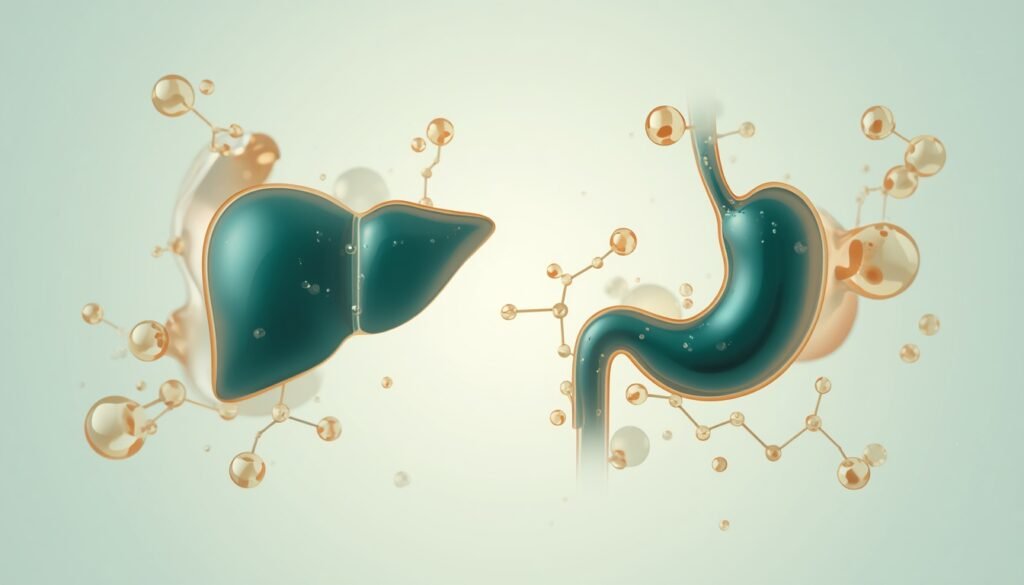
Bile isn’t something most of us ever think about—it’s the yellow-green fluid that helps you digest fat, and that’s usually the end of the story. But over the past few decades, cancer researchers have become very interested in bile acids for a different reason: certain ones appear to act as biological “accelerators” that can help existing tumors grow. It’s a genuinely important area of science, and also one that’s easy to sensationalize. So let’s walk through what the research actually shows—carefully, and without the fear-mongering.
Short answer: Some secondary bile acids—especially deoxycholic acid (DCA) and lithocholic acid (LCA), which gut bacteria create from the bile your liver makes—can act as tumor promoters. They don’t typically start cancer, but at high, prolonged levels they can foster an environment that helps it progress, most clearly in colorectal cancer. Crucially, though, not all bile acids are harmful—some are actually protective—and this is about biological mechanism, not personal destiny.
What Are Bile Acids?
Your liver makes primary bile acids (like cholic acid and chenodeoxycholic acid) from cholesterol. These help you absorb dietary fat. But bile acids are far more than detergents—they’re powerful signaling molecules that bind receptors like FXR (the farnesoid X receptor, the master regulator of bile acid balance) and TGR5, influencing metabolism, inflammation, and cell growth.
Here’s the key step: when primary bile acids reach your colon, gut bacteria chemically transform some of them into secondary bile acids—chiefly DCA and LCA. And it’s these secondary bile acids that sit at the center of the cancer story.
How Can Bile Acids Drive Cancer Progression?
🔬 Animal & Lab Evidence (with supporting 👤 human associations). The idea that secondary bile acids can promote cancer isn’t new—research dating back to the 1970s identified DCA and LCA as tumor promoters in the classic two-step model of carcinogenesis, where an initial genetic mutation is later encouraged to progress by long-term exposure to a “promoter.” Their promoting activity is notably stronger than that of primary bile acids.
The proposed mechanisms, largely from cell and animal studies, include:
- DNA damage and oxidative stress from reactive oxygen species (ROS).
- Chronic inflammatory signaling that fosters a tumor-friendly environment.
- Resisting apoptosis (programmed cell death), letting abnormal cells survive.
- Disrupted receptor signaling—for example, antagonizing protective FXR while activating growth-promoting Wnt/β-catenin pathways.
In humans, this shows up as associations: people with colorectal cancer tend to have higher fecal levels of DCA and LCA and reduced microbial diversity compared with healthy controls.
Which Cancers Are Linked to Bile Acids?
The strength of evidence varies a lot by cancer type:
- Colorectal cancer — the strongest and most-studied link. A 2025 systematic review and meta-analysis examined the association between fecal bile acids and colorectal cancer risk (while noting the findings are not fully consistent).
- Liver, pancreatic, and bile duct cancers — mechanistic and associative links, since these organs are directly exposed to bile.
- Esophageal and gastric cancers — connected to bile reflux, where bile washes back and irritates tissue over time (a pathway toward Barrett’s esophagus).
Important framing: “linked” and “associated” are not the same as “causes.” These relationships are real signals worth studying, not verdicts about any individual.
The Crucial Nuance: Not All Bile Acids Are Bad
This is the part sensational headlines leave out—and it matters. Bile acids have a dual, context-dependent role. While DCA and LCA can promote tumors at high concentrations, other bile acids are protective. For instance, the microbial bile acid 3-oxo-LCA has been shown to inhibit colorectal cancer progression by restoring protective FXR signaling. Even LCA itself can trigger apoptosis in some settings. And FXR activation is broadly anti-inflammatory and tumor-suppressive in the gut.
So the accurate takeaway isn’t “bile acids cause cancer.” It’s that a specific imbalance—too much of certain harmful secondary bile acids, often alongside gut dysbiosis—can tilt the environment toward tumor promotion. Balance, not elimination, is the real theme.
The Diet & Microbiome Connection
Here’s where it becomes practical. What raises harmful secondary bile acids? Largely a high-fat, low-fiber, ultra-processed Western diet, which increases bile acid output and shifts gut bacteria toward producing more DCA and LCA. A disrupted microbiome (dysbiosis) amplifies the effect. Conversely, dietary fiber binds bile acids and helps sweep them out, and a diverse microbiome keeps the bile acid pool healthier. This is the same gut ecosystem we discuss in The Dysbiosis Blueprint.
🧬 Support the Gut Environment You Can Actually Influence
You can’t control your genes, but you can support a healthier gut and lower chronic inflammation—the modifiable background this research points to. Get a quick read on your inflammation-related lifestyle factors to see where small changes could help.
Check My Inflammation Factors →
What You Can Actually Do
None of this is a reason for alarm—but it does point toward sensible, well-established gut-health habits (which happen to lower harmful secondary bile acids as a bonus):
- Eat plenty of fiber and a wide variety of plants—this binds bile acids and feeds a protective microbiome.
- Limit ultra-processed foods and excess saturated fat, which drive bile acid overproduction.
- Support microbiome diversity with fermented foods and prebiotic fiber.
- Do the proven thing: get screened. For colorectal cancer, the single most effective step isn’t a supplement—it’s screening (like colonoscopy) at the age your doctor recommends. That catches problems early, which is what actually saves lives.
For more on the diet-microbiome foundation, explore our Disease Defense library and how the world’s healthiest populations eat a naturally high-fiber, plant-forward diet.
When To See a Doctor
See a physician about cancer screening appropriate for your age and family history, and promptly if you have warning signs like unexplained weight loss, changes in bowel habits, blood in the stool, persistent abdominal pain, jaundice, or ongoing digestive problems. Bile acid research is fascinating, but screening and medical evaluation—not diet alone—are how cancers are actually caught and treated.
The Bottom Line
Do bile acids drive cancer progression? For certain harmful secondary bile acids, at high and prolonged levels, the evidence says they can act as promoters—most clearly in colorectal cancer—by fueling inflammation, DNA damage, and pro-growth signaling. But the fuller truth is more balanced and less frightening: bile acids play both harmful and protective roles, the science is still evolving, and much of it is preclinical. The empowering part is that the main driver of the harmful bile acids is a modifiable one—diet and gut health. Eat more fiber, tend your microbiome, and get your recommended cancer screenings. That’s not a cure or a guarantee. It’s just good, evidence-aligned sense.
Frequently Asked Questions
Do bile acids cause cancer?
Not exactly. Certain secondary bile acids (deoxycholic acid and lithocholic acid) can act as tumor promoters, meaning they may help existing cancers progress rather than initiate them, most clearly in colorectal cancer. This is an association and a biological mechanism, not proof that bile acids cause cancer in any individual. Cancer is multifactorial.
What are secondary bile acids?
Secondary bile acids are compounds like deoxycholic acid (DCA) and lithocholic acid (LCA) that gut bacteria create by chemically transforming the primary bile acids your liver produces. They are the specific bile acids most linked to tumor-promoting effects in research.
Which cancers are linked to bile acids?
Colorectal cancer has the strongest evidence. Bile acids are also mechanistically or associatively linked to liver, pancreatic, and bile duct cancers, and—via bile reflux—to esophageal and gastric cancers. “Linked” means associated in studies, not proven to cause.
Are all bile acids harmful?
No. Bile acids have a dual, context-dependent role. While DCA and LCA can promote tumors at high levels, other bile acids are protective—for example, 3-oxo-LCA has been shown to inhibit colorectal cancer progression, and FXR activation is broadly anti-inflammatory. Balance matters more than elimination.
Can diet reduce harmful bile acids?
Diet strongly influences bile acid levels. A high-fiber, plant-forward diet binds bile acids and supports a healthier microbiome, while a high-fat, low-fiber, ultra-processed diet increases harmful secondary bile acids. Supporting gut health is sensible, though it is not a proven cancer treatment or guarantee.
Does bile acid buildup mean I’ll get cancer?
No. Higher levels of certain bile acids are a risk-associated factor studied at the population level, not a personal diagnosis or destiny. Many factors influence cancer risk. The most reliable action is following recommended cancer screening and discussing any concerns with your doctor.
References
- Metabolic interactions: how gut microbial metabolites influence colorectal cancer. Frontiers in Microbiology, 2025. frontiersin.org
- The effect of fecal bile acids on the incidence and risk-stratification of colorectal cancer: an updated systematic review and meta-analysis. Scientific Reports, 2025. nature.com/articles/s41598-024-84801-6
- Paired microbiome and metabolome analyses associate bile acid changes with colorectal cancer progression. Cell Reports, 2023. sciencedirect.com
- The Microbial Bile Acid Metabolite 3-oxo-LCA Inhibits Colorectal Cancer Progression. PMC. pmc.ncbi.nlm.nih.gov/articles/PMC12871761
Medical Disclaimer: This article explains an area of active cancer research for general education. It is not medical advice, and it does not mean bile acids “cause” cancer in any individual or that lifestyle changes prevent or treat it. Cancer is multifactorial. For screening, symptoms, or any concern, consult your physician. This information is meant to complement, not replace, professional care.
What Are Bile Acids?
Your liver makes primary bile acids (like cholic acid and chenodeoxycholic acid) from cholesterol. These help you absorb dietary fat. But bile acids are far more than detergents—they’re powerful signaling molecules that bind receptors like FXR (the farnesoid X receptor, the master regulator of bile acid balance) and TGR5, influencing metabolism, inflammation, and cell growth. Here’s the key step: when primary bile acids reach your colon, gut bacteria chemically transform some of them into secondary bile acids—chiefly DCA and LCA. And it’s these secondary bile acids that sit at the center of the cancer story.
How Can Bile Acids Drive Cancer Progression?
🔬 Animal & Lab Evidence (with supporting 👤 human associations). The idea that secondary bile acids can promote cancer isn’t new—research dating back to the 1970s identified DCA and LCA as tumor promoters in the classic two-step model of carcinogenesis, where an initial genetic mutation is later encouraged to progress by long-term exposure to a “promoter.” Their promoting activity is notably stronger than that of primary bile acids. The proposed mechanisms, largely from cell and animal studies, include: In humans, this shows up as associations: people with colorectal cancer tend to have higher fecal levels of DCA and LCA and reduced microbial diversity compared with healthy controls.
Which Cancers Are Linked to Bile Acids?
The strength of evidence varies a lot by cancer type: Important framing: “linked” and “associated” are not the same as “causes.” These relationships are real signals worth studying, not verdicts about any individual.
Do bile acids cause cancer?
Not exactly. Certain secondary bile acids (deoxycholic acid and lithocholic acid) can act as tumor promoters, meaning they may help existing cancers progress rather than initiate them, most clearly in colorectal cancer. This is an association and a biological mechanism, not proof that bile acids cause cancer in any individual. Cancer is multifactorial.
What are secondary bile acids?
Secondary bile acids are compounds like deoxycholic acid (DCA) and lithocholic acid (LCA) that gut bacteria create by chemically transforming the primary bile acids your liver produces. They are the specific bile acids most linked to tumor-promoting effects in research.
Which cancers are linked to bile acids?
Colorectal cancer has the strongest evidence. Bile acids are also mechanistically or associatively linked to liver, pancreatic, and bile duct cancers, and—via bile reflux—to esophageal and gastric cancers. “Linked” means associated in studies, not proven to cause.
Are all bile acids harmful?
No. Bile acids have a dual, context-dependent role. While DCA and LCA can promote tumors at high levels, other bile acids are protective—for example, 3-oxo-LCA has been shown to inhibit colorectal cancer progression, and FXR activation is broadly anti-inflammatory. Balance matters more than elimination.
Can diet reduce harmful bile acids?
Diet strongly influences bile acid levels. A high-fiber, plant-forward diet binds bile acids and supports a healthier microbiome, while a high-fat, low-fiber, ultra-processed diet increases harmful secondary bile acids. Supporting gut health is sensible, though it is not a proven cancer treatment or guarantee.

Julian Vance is the writer and editor behind RegenStep, translating peer-reviewed longevity, metabolic, and gut-health research into practical, actionable guides. Julian is not a licensed physician; content is reviewed against cited primary sources and is for informational purposes only. Always consult a qualified healthcare provider for personal medical advice.